
Emotional pain—whether from loss, disappointment, or prolonged stress—can feel overwhelming and disorienting. But just as the body knows how to heal after injury, the heart and mind have the capacity to recover, too.
Emotional recovery isn’t about pretending everything is okay; it’s about allowing space for healing while gradually rebuilding strength, clarity, and confidence.
In this article, we’ll explore gentle, practical steps that support the healing process and help you cultivate the resilience needed to move forward—one small, steady step at a time.
Table of Contents
Understanding Emotional Recovery
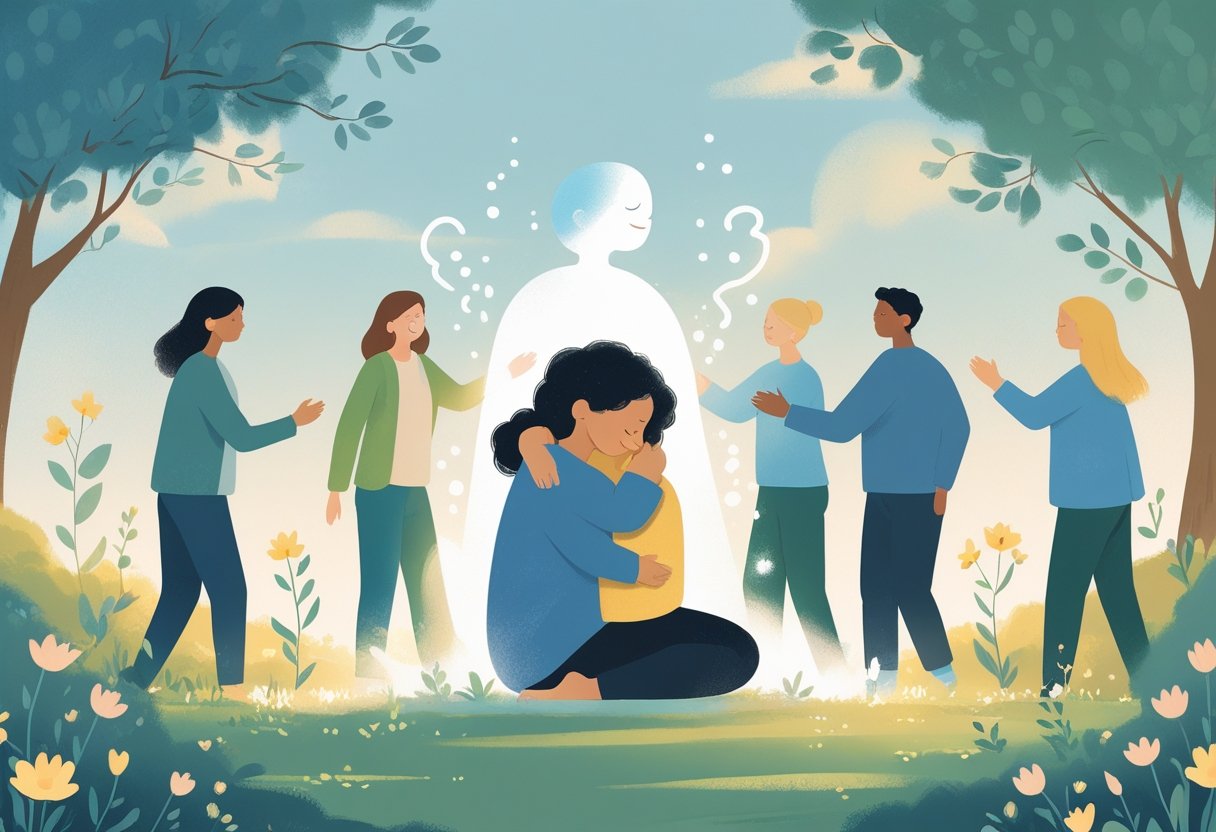
Emotional recovery is a process that helps you rebuild your emotional well-being after stress, trauma, or hardship. Learning about this process will help you know what to expect and how to move forward at your own pace.
What Is Emotional Recovery
Emotional recovery means working through your feelings and learning to cope after tough times. It is not just about “getting over” what happened. Instead, it focuses on understanding your emotions and allowing yourself to feel them, even when it’s hard.
You may experience a wide range of emotions, from sadness and anger to confusion and hope. Emotional recovery is different for each person. For some, it can take weeks or months; for others, even longer. There is no set timeline.
You often need to rebuild trust in yourself or others. You might also learn new ways of managing stress. This includes talking to people you trust, using creative outlets, or seeking professional help. The most important part is letting yourself heal in your own way.
The Importance of Emotional Healing
Healing emotionally is an important part of getting back to your daily life and feeling better about yourself. If you avoid your feelings or push them aside, it can show up as stress, anxiety, or trouble with relationships.
Emotional healing helps you feel more confident and in control. It makes it easier to handle new challenges without feeling overwhelmed. This process also lowers the risk of long-term problems like depression or unhealthy coping skills.
Building emotional strength can improve your physical health, too. Studies show that people who take time to heal emotionally often have fewer health issues and a better quality of life. Letting yourself heal can make a real difference.
Stages of Emotional Recovery
You will move through different stages as you recover emotionally. These can include:
1. Acknowledgement: You identify and accept your pain instead of ignoring it.
2. Processing: You start to explore and feel your emotions so you can make sense of them.
3. Acceptance: You come to terms with what happened, even if you don’t agree with it.
4. Growth: You find new ways to cope, learn from your experience, and adapt to changes.
The stages are not always in the same order for everyone. You may go back and forth between stages, and that’s normal. Knowing these phases helps you give yourself more patience and understanding during recovery.
Common Triggers and Causes
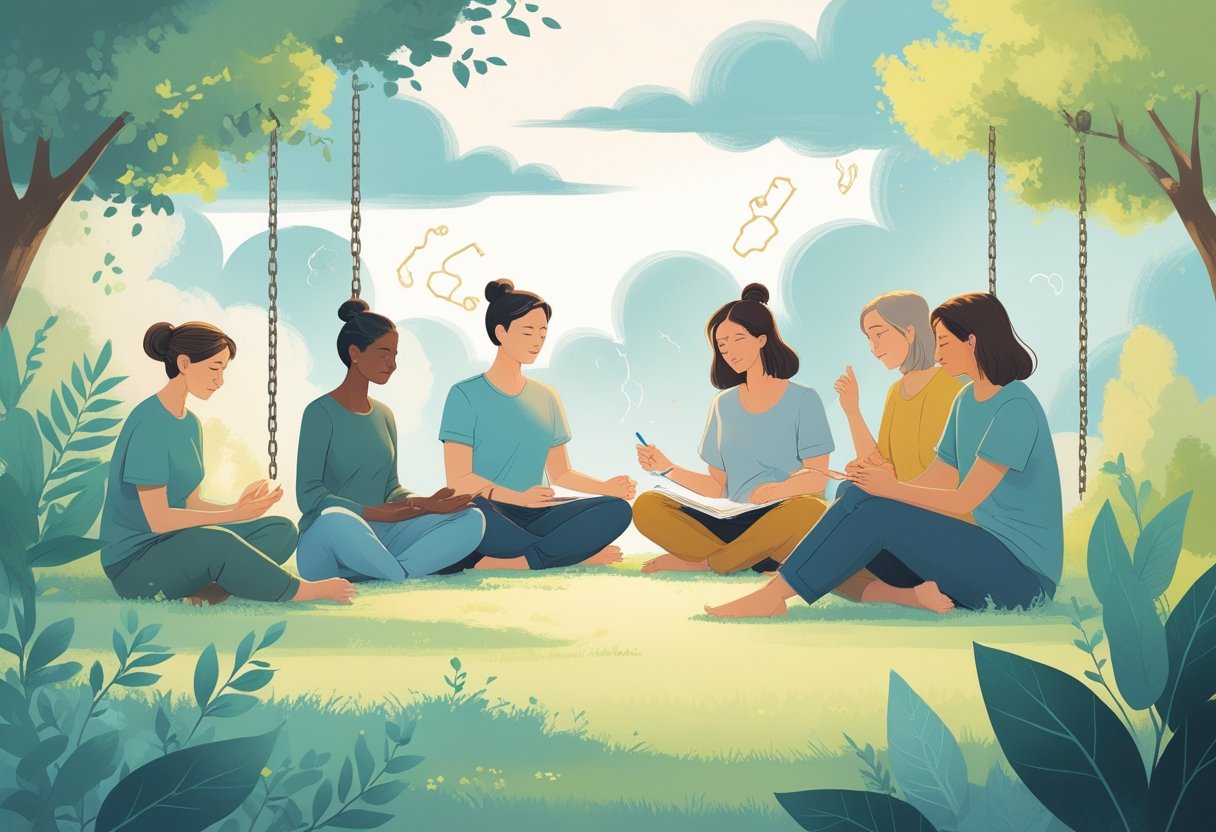
Emotional recovery often involves facing situations that can bring up difficult feelings. If you understand where your reactions come from, it becomes easier to manage your responses and make healthy choices.
Trauma and Loss
Trauma and loss can leave lasting marks on how you feel and react over time. When you experience events like the death of someone close, abuse, neglect, or witnessing violence, you may develop emotional triggers that show up long after the event is over.
You might notice strong emotions or changes in mood when faced with reminders of the past. Nightmares, flashbacks, or feeling on edge are common signs. These reactions can make daily life harder, especially if you aren’t sure how to talk about or manage them.
Learning to spot these patterns is important for healing. Talking to a trusted person, such as a counselor, can be very helpful in healing from trauma. Support groups and resources focused on emotional triggers also provide practical guidance.
Stressful Life Events
Major life changes can be stressful and increase your emotional sensitivity. Events like losing a job, moving to a new city, financial troubles, or facing a health scare are some examples.
These stressors might lead to anxiety, sadness, or irritability. The pressure to adapt quickly can feel overwhelming, especially if you do not have support or healthy coping techniques in place. Simple things like changes in routine or unexpected news can also be triggers.
Practicing self-awareness helps you notice your triggers early. Keeping a journal, talking to friends, or working with a therapist are all effective ways to manage stress. Identifying and organizing your triggers gives you a clear path to emotional recovery and growth.
Relationship Challenges
Trouble in relationships can create strong emotional responses and trigger past wounds. Arguments, misunderstandings, betrayal, or breakups often lead to feelings of insecurity, anger, or sadness.
You may find it harder to trust others or to manage your feelings in future relationships. Emotional triggers tied to relationships can show up even with people who mean well, especially if past hurt has not healed.
Building open communication and setting healthy boundaries is key. Supportive relationships make it easier to recover from difficult experiences. If relationship challenges continue to be a source of pain, exploring your emotional triggers with professional support can help you move forward in a healthy way.
Recognizing the Signs of Emotional Distress

Emotional distress can show up in different ways, making it important to notice the signals early. These signs can affect your feelings, body, and daily routine in real and noticeable ways.
Emotional Symptoms
Common emotional symptoms include sadness, anger, fear, or feeling overwhelmed. You might notice sudden mood swings or intense emotions that don’t seem to fit your situation. It is also common to feel anxious, hopeless, or numb.
Other emotional signs include:
- Irritability or impatience
- Trouble relaxing or feeling at ease
- Feeling disconnected from others
- Increased sensitivity or emotional outbursts
If you find yourself crying more often or not enjoying things you used to love, these may also be signs of emotional distress. Noticing these shifts can help you take steps to address what you feel. You can find more about these patterns in this guide to emotional distress warning signs.
Physical Manifestations
Emotional struggles do not stay in your mind—they often show up as physical problems. Some people feel tired all the time or complain of headaches and stomachaches. You may experience a racing heart, shakes, or sweating without a clear reason.
Frequent physical symptoms:
| Symptom | Description |
|---|---|
| Trouble sleeping | Finding it hard to fall asleep or stay asleep |
| Appetite change | Eating much more or much less than usual |
| Body aches | Unexplained muscle pain or tension |
Feeling restless or getting sick more often are also clues. Your body reacts when your emotions are under stress, making these physical changes an important way to spot distress. Learn about more physical warning signs at this mental health resource.
Impact on Daily Life
When emotional distress becomes strong, it can disrupt what you do every day. You might find it hard to focus at work or school. Basic chores and self-care, like getting dressed or making meals, can feel exhausting.
Changes you might notice include:
- Skipping social events or avoiding friends
- Declining performance at work or in school
- Losing interest in hobbies and activities
- Neglecting daily routines or hygiene
These changes might happen slowly. If you notice your regular life slipping away, it’s important to seek help. For more guidance, visit tips on coping with emotional breakdowns.
Practical Steps to Begin Healing

Taking practical steps can make emotional recovery feel less overwhelming. By focusing on what you can do today—like understanding your feelings, strengthening your boundaries, and connecting with others—you can lay the groundwork for lasting change.
Developing Self-Awareness
Self-awareness means paying attention to your emotions, thoughts, and behaviors. When you recognize what you’re feeling and why, it becomes easier to manage reactions and triggers. Start by setting aside a few minutes each day to check in with yourself. Ask, “How am I feeling right now?” and try to notice both positive and negative emotions.
Journaling is another helpful tool. Write down your thoughts and feelings each day, even if just a few lines. Over time, you may see patterns that can help explain certain reactions. Mindful breathing or meditation can also increase your self-awareness. If you’re not sure where to start, look for simple guided mindfulness videos online.
As you learn to notice your thoughts and feelings, try not to judge yourself. Remember that emotions—pleasant or unpleasant—are a normal part of life. Recognizing your feelings is a first step toward healing, not a sign of weakness.
Establishing Safe Boundaries
Safe boundaries protect your time, energy, and emotional well-being. Learning to say “no” to uncomfortable situations is an important skill. At first, it may feel difficult, but setting clear boundaries helps you feel safer and more in control.
You can start with small steps. For example, make a list of people or situations that drain your energy. Practice setting gentle limits, such as spending less time in stressful environments or politely declining requests that feel overwhelming. It’s okay to protect your own needs, even if others may not always understand.
Boundaries can include limiting contact with negative influences, asking for privacy when you need it, and making space for activities that bring you joy. If you need tips or support, you might find guidance from mental health experts discussing clear boundary-setting.
Building a Support Network
A strong support network can make recovery easier. Trusted friends, family, or support groups can help you feel less alone and offer encouragement during tough times. Start by reaching out to a few people you trust and let them know what you’re going through—often, people want to help but don’t know how unless you ask.
If your personal circle is small, consider joining a support group, either in your community or online. Many groups are free and open to anyone who needs a safe place to share experiences. These connections help you feel understood and can provide practical advice from those who have faced similar struggles. Joining a support group can also be a good first step if you’re thinking about seeking professional help. For more details on how to find a group that fits your needs, see these tips for building supportive connections.
Effective Coping Strategies

Healthy coping skills support your emotional growth and manage stressful moments. By using the right techniques, you can respond more calmly to challenges and build lasting resilience.
Journaling and Reflection
Writing in a journal is a practical way to track your feelings over time. When you write about your emotions, you make sense of them and see patterns in your thoughts and reactions. This simple habit gives you space to consider new ways to handle tough situations.
You do not need to write long entries. Even a few sentences each day can help you identify negative thinking and celebrate small wins. For extra support, some people use guided prompts or daily questions to keep their focus on progress.
Journaling is private and can reduce stress by letting you unload burdens safely. Experts highlight its role in emotional regulation, supporting growth during recovery. For more about how journaling can help you handle emotions and process feelings constructively, visit this guide on healthy coping strategies for addiction recovery.
Mindfulness Techniques
Mindfulness helps you stay grounded instead of getting lost in worries or overwhelming thoughts. It means paying close attention to your breathing, senses, or the moment without judgment. Practicing mindfulness can ease anxiety, lower stress, and help you respond, not react, when facing difficult emotions.
You can use focused breathing, short meditation sessions, or grounding exercises throughout the day, even in stressful moments. Many people find that starting with just five minutes every morning makes a difference in how they handle challenges later on.
Mindfulness is linked with better emotional control and mental health during recovery. To explore practical mindfulness exercises and find tips for coping with tough emotions, check out this page on coping strategies for emotional regulation in recovery.
Professional Support and Therapy Options

Getting the right support for emotional recovery can make a big difference in how you feel. There are different therapy choices and professional resources available, each designed to fit specific needs, situations, and preferences.
Types of Therapy for Emotional Recovery
Therapy comes in several forms, and each kind helps with emotional healing in a unique way. Cognitive Behavioral Therapy (CBT) is one of the most common. It helps you identify and change negative thought patterns and behaviors. Talk therapy, also known as psychotherapy, lets you discuss your feelings in a safe setting, focusing on understanding emotions and building coping skills.
Group therapy brings people together who have similar experiences. This can make you feel less alone and provide new ways to approach your challenges. If you prefer something shorter or more structured, solution-focused therapy centers on finding immediate, practical solutions rather than exploring the past.
Medication might also be suggested by a psychiatrist for managing depression or anxiety. Therapy and medication are often used together to give you more tools for recovery. To learn about these and other choices, visit this therapy options overview.
When to Seek Professional Help
You may think you can handle emotional struggles on your own, but some signs point to when professional help is needed. If your feelings of sadness, anger, or worry don’t get better with time, or if daily life becomes hard to manage, reaching out for help is important.
Physical symptoms like not sleeping, headaches, or sudden changes in appetite can be signals your emotional health needs attention. If you ever have thoughts of hurting yourself, seek help right away.
Getting support from a professional means you will have guidance, privacy, and proven tools for managing symptoms and making positive changes. For more details about when to seek help and what to expect, check this guide on professional mental health support.
Lifestyle Habits that Support Recovery

Your daily choices can help your mind and body heal. Good sleep, regular movement, and creative outlets are practical ways to support your emotional recovery and build a healthy routine.
Healthy Sleep and Nutrition
Prioritizing sleep helps your brain process stress and regulate emotions. Going to bed at the same time each night can improve sleep quality. Try to create a calm bedtime routine without screens or bright lights.
A balanced diet supports your mood and energy. Focus on lean meats, fish, whole grains, fruits, and vegetables. Drinking enough water and avoiding too much sugar or caffeine can also make a big difference.
Here are simple tips:
- Eat regularly: Have meals at the same times daily.
- Stay hydrated: Aim for several glasses of water each day.
- Plan your meals: Quick, healthy snacks like nuts, fruit, or yogurt are better choices than junk food.
Healthy sleep and nutrition help your body cope with stress and support long-term recovery.
Physical Activity
Exercise is a proven way to boost your mood and lower anxiety. Even simple activities, like walking or riding a bike, increase natural chemicals in your brain that make you feel good.
You don’t need to go to a gym to get the benefits. Gardening, stretching, or going for a hike all count as physical activity. The key is to find something you enjoy and make it a regular part of your day.
Small changes can help:
- Take a short walk during lunch.
- Try light exercises at home, like yoga or stretching.
- Join a group class for fun and social support.
Physical activity also works as a healthy way to cope with cravings and stress.
Creative Expression
Allowing yourself to express feelings through art, music, or writing can ease emotional pain. Creative activities help you process life events and reduce negative thoughts.
You do not have to be an expert. Painting, journaling, playing an instrument, or even doodling can help you sort out your emotions. Creative outlets are private spaces where you can reflect and grow in confidence.
Try these ideas:
- Keep a daily journal.
- Create art or crafts at home.
- Play music or listen to new songs.
Creative expression supports well-being and adds meaning to your recovery routine.
Sustaining Progress and Preventing Relapse

Consistent effort is needed to keep up emotional health after recovery starts. Building habits to monitor your feelings, recover from mistakes, and set new goals gives you stronger ways to stay on track.
Tracking Emotional Growth
Keeping track of your emotional growth helps you see how far you have come and where you still want to go. Try using a journal, calendar, or digital tracking tool to log your feelings each day. Make notes of things that cause strong reactions—both positive and negative.
Over time, these records show patterns and help you notice early warning signs of trouble. For example, you might write about how you handled stress or list three things that made you feel proud or calm. Reviewing these entries can build your sense of progress, even when growth feels slow.
You can also share what you notice with someone you trust, such as a counselor or support group, to help stay accountable. Regularly seeing your own improvement can keep you motivated through tough times. For more strategies, see how building healthy habits supports sustained recovery.
Handling Setbacks
Setbacks are part of any recovery process. If you notice yourself slipping into old habits, remember that relapse rarely happens all at once. It often starts with emotional or mental warning signs before showing up as actions. Early signs might include feeling irritable, isolated, or losing interest in activities you enjoy.
When you spot these signs, use healthy coping strategies you’ve learned. Taking a short walk, talking with someone you trust, or practicing a relaxation technique can help interrupt negative patterns. The key is to respond quickly rather than waiting for things to get worse.
Reaching out for help—whether through friends, family, or a support group—can make a big difference. You can also use techniques for managing triggers and stress to prevent a full relapse.
Setting Long-Term Goals
Setting clear long-term goals gives you a reason to keep moving forward. These goals should be specific, realistic, and meaningful to you. For example, you might aim to rebuild trust with your family, return to a favorite hobby, or complete a class.
Break bigger goals into smaller, manageable steps. Make a simple list or table to organize your plans:
| Long-Term Goal | Step 1 | Step 2 | Step 3 |
|---|---|---|---|
| Finish school | Sign up | Start class | Complete test |
| Improve relationships | Call weekly | Plan outing | Share feelings |
Celebrate progress as you achieve each step. It can help to review your goals often and adjust them if your needs change. Committing to ongoing personal growth gives you direction and hope for the future, which helps prevent setbacks. For more on setting goals in recovery, see this guide to relapse prevention planning.
Supporting Others Through Emotional Recovery

Helping someone through emotional recovery can make a big difference in their healing. Your support, whether big or small, helps people feel less alone.
Ways you can support someone:
- Listen without judging
- Show patience and kindness
- Offer practical help, like cooking a meal
- Encourage them to express feelings
- Respect their boundaries
Emotional recovery is not the same for everyone. People may heal at different speeds. It’s important to let them move at their own pace. Trying to control their choices can slow their progress. Remember, recovery is their journey.
Caring for someone in recovery may feel hard sometimes. You might feel sad, stressed, or tired. Remember to watch out for your own well-being. Taking care of yourself gives you the strength to support your loved one better.
Key benefits of support:
| Emotional Support | Practical Help | Encouragement |
|---|---|---|
| Reduces loneliness | Assists with daily tasks | Builds hope |
| Increases motivation | Eases stress | Reinforces progress |
Sometimes, connecting with community groups or professionals can help both you and the person in recovery. Support from friends, family, and groups offers comfort, motivation, and a sense of belonging. Learn more about the importance of emotional support for people in recovery.
Resources for Continued Growth

As you move forward in emotional recovery, many helpful resources are available to support your growth.
Support groups can help you connect with others who understand your challenges. These groups give you space to share experiences and stay motivated.
Professional counseling offers expert guidance tailored to your needs. Continued therapy, even after finishing a treatment program, helps you manage stress and face emotional challenges (learn more about ongoing support).
A strong aftercare plan might include:
- Regular therapy sessions
- Support group participation
- Tools for relapse prevention
- Access to helpful community resources
Building self-awareness is also important. Exploring your feelings and practicing mindfulness can foster emotional growth. Activities like journaling, art, or gentle exercise support this process.
Consider using trusted online guides or self-help workbooks. These resources offer step-by-step advice, reflection questions, and coping tools. Many organizations provide free materials to help maintain progress for the long term.
If you have both addiction and mental health concerns, you may benefit from specialized support. Seeking care for both areas at the same time provides better results and helps you build a stronger foundation (see more about dual support).
Staying connected to these resources can give you new hope as you continue to grow.
Final Reflections
Healing doesn’t follow a straight path—it unfolds gradually, shaped by patience, self-compassion, and intentional care. Emotional recovery means honoring your experiences while believing in your ability to grow beyond them. By taking small, supportive actions and surrounding yourself with tools and perspectives that foster healing, you create the conditions for lasting resilience.
For deeper guidance on building strength through life’s challenges, tune into The Reverse Optimism Pathway podcast. Each episode offers thoughtful insights and strategies to help you recover, reset, and move forward with clarity and hope.
Listen to The Reverse Optimism Pathway Podcast
Your healing matters. And with time, support, and self-kindness, emotional recovery is not only possible—it’s powerful.