
The dance between our expectations and reality is a delicate one, where the balance struck can significantly influence our mental health and overall well-being. “Expectations and Mental Health: Understanding the Connection” dives into this intricate relationship, shedding light on how the goals we set and the outcomes we anticipate play pivotal roles in shaping our emotional landscape.
In a world that often champions high achievement and perfection, understanding the impact of our expectations is more crucial than ever. This exploration is not just about adjusting our hopes; it’s about fostering a mindset that promotes resilience, contentment, and genuine happiness.
Table of Contents
Understanding Mental Health and Expectations

Your mental health encompasses your emotional, psychological, and social well-being. It influences how you think, feel, and act, especially when managing stress or making choices. Expectations, the beliefs you hold about the future, can significantly impact your mental health in various ways.
- Setting the Stage: You constantly set expectations for yourself and for situations in your life. They guide your actions and shape your perception of success and failure.
- Impact on Emotions: When your reality does not align with your expectations, it may lead to feelings of disappointment, stress, or a sense of failure, which can affect your overall mental health.
You can practice adjusting expectations to maintain a healthy perspective. Understand that life’s unpredictability means things will not always go as planned. Flexibility in expectations can lead to improved mental health by reducing potential stress and disappointment.
- Adaptability: Learn to embrace the unpredictable nature of life. This adaptability can make the unpredictability less daunting and more of a natural part of the human experience.
- Realistic Expectations: Ground your expectations in reality. By doing so, you make sure that they are achievable and less likely to lead to frustration.
Remember, while you may not always have control over the outcomes, you do have control over how you respond to them. Your response can either fortify your mental resilience or undermine your well-being. By proactively managing your expectations, you’re taking a positive step toward safeguarding your mental health.
The Psychology of Expectations

Expectations deeply influence your mental health and can shape your reality. Your anticipation of future events can act as a self-fulfilling prophecy, affecting emotions and behaviors.
Cognitive Theories of Expectations
Cognitive theories suggest that what you expect often frames your interpretation of events. For example, according to research highlighted by the National Center for Biotechnology Information, your expectations can persist even when reality challenges them, a process akin to cognitive “immunization.” This means if you expect a negative outcome in a social situation and it occurs, that event may reinforce your belief, confirming your expectation.
Associative learning theory plays a pivotal role here. Your brain associates specific outcomes with certain actions or events through past experiences. If, historically, you’ve experienced positive outcomes when meeting new people, you’re likely to expect similar experiences in the future, which can positively influence your attitude and behavior in social settings.
Emotional Impacts of Expectations
Your expectations have a significant impact on your emotions. If your expectations are met, you’re more likely to feel satisfaction and happiness. Conversely, unmet expectations can lead to feelings of disappointment and even contribute to mental health disorders according to an article in Psychology Today. This discrepancy between what you anticipate and what actually happens can perpetuate a cycle of negative emotions.
Managing expectations can be a key strategy in maintaining emotional balance. By setting realistic goals and maintaining a flexible mindset, you buffer yourself against the shock of unmet expectations. Understanding that expectations are a blend of past experiences, beliefs, and emotions can empower you to adjust them in a way that supports your mental well-being.
Expectations and Mental Health Disorders

In your journey through mental health, understanding how expectations shape disorders is pivotal. Specific expectations can influence the onset, course, and outcome of mental health challenges.
Expectations in Anxiety Disorders
Anxiety disorders, marked by excessive worry, can be exacerbated by your expectations of potential negative outcomes. If you anticipate the worst, it may lead to heightened anxiety, especially in uncertain situations. Research demonstrates that your expectations of fear-inducing events play a substantial role in the maintenance of anxiety disorders, suggesting that modifying these expectations could be beneficial in treatment.
Expectations in Depressive Disorders
In the realm of depressive disorders, your expectations can significantly color your experience. A pessimistic outlook might lead to a self-fulfilling prophecy, where you expect the worst and your mental state aligns with these negative predictions. Studies indicate that low or negative expectations about the future are closely linked to the symptoms and severity of depression.
Expectations in Personality Disorders
With personality disorders, your expectations of relationships and interactions can contribute to the persistent patterns and behaviors characteristic of these conditions. For instance, if you consistently expect others to betray or abandon you, it may result in behaviors that are typically associated with Borderline Personality Disorder. Recognizing and addressing these expectations is crucial in managing the symptoms and improving interpersonal relationships.
Influence of Social Expectations

Social expectations can significantly impact your mental health, from cultural norms dictating behavior to the pressures exerted by family and friends.
Cultural Expectations and Mental Health
Culture heavily influences your perception of self and societal roles, setting standards for behavior and success. When you feel that you’re not meeting these cultural expectations, it can lead to feelings of inadequacy and stress. For instance, in many societies, success may be viewed as obtaining a high-paying job or securing a reputable social status, and deviating from this path could lead to anxiety or depression.
Family Expectations and Individual Well-being
Your family can play a pivotal role in shaping your values and goals. The expectations of your family members may push you towards certain careers or life choices, regardless of your personal passions or aspirations. Struggling to fulfill family expectations can be isolating, often causing emotional distress or a reduction in self-esteem.
Peer Pressure and Mental Health
The influence of your peers can be incredibly powerful, affecting everything from the clothes you wear to the lifestyle choices you make. Conforming to peer pressure is often seen as a way to gain acceptance and avoid rejection. However, aligning your actions with peer expectations, especially when they contradict your own values, can lead to increased levels of stress and compromise your mental health.
Expectations in Therapeutic Settings

In a therapeutic context, your expectations can profoundly influence both your experience and the effectiveness of the treatment. Recognizing and managing these anticipations is critical to fostering a beneficial therapeutic relationship and enhancing the outcomes of your therapy sessions.
Managing Expectations in Psychotherapy
Managing your expectations in psychotherapy is crucial to the success of your treatment. When you begin therapy, it’s important for you to understand that the process is often gradual and requires active participation. Therapists can help align therapy goals by clearly discussing what is realistic to expect from the sessions. It’s found that when there is a high fit between patient expectations and the actual therapeutic content, the outcomes tend to be more positive. Conversely, when expectations are not met, there can be negative repercussions on the therapeutic effects.
Role of Expectations in Treatment Outcomes
Your expectations have a significant role in determining the outcome of your treatment. Positive expectations can contribute to better engagement in therapy and are linked with improved therapeutic outcomes. The literature suggests that expectations are not just hopeful beliefs but psychotherapeutic agents of change themselves. For instance, there is evidence that aligning therapeutic methods with your expectations can enhance the treatment outcome and alleviate symptoms. Adjusting these expectations in a realistic manner is thus a pivotal aspect of psychotherapy that can help you achieve the best possible results from your treatment.
Personal Expectations and Self-Image

Expectations shape your mental health through their impact on self-image. A well-aligned self-image can foster resilience, while unrealistic expectations may lead to distress.
Self-Efficacy and Mental Health
Your belief in your ability to succeed, known as self-efficacy, is a core component of your self-image. High self-efficacy equips you to handle stress effectively, enhancing your mental health. On the other hand, if you doubt your capabilities, you may experience anxiety and depression.
Perfectionism and Mental Health Consequences
Striving for flawlessness, otherwise known as perfectionism, often intertwines with your self-image. While setting high standards can motivate achievement, perfectionism can also lead to a fear of failure and chronic stress, negatively affecting your mental health.
Coping Strategies for Unhealthy Expectations

To effectively manage mental health, it’s essential to have strategies in place for dealing with unhealthy expectations. Let’s explore practical ways to adjust personal expectations and handle external pressures.
Adjusting Personal Expectations
Recognizing when your personal expectations may be too high can allow you to adopt a more realistic and healthy outlook. Begin by identifying specific expectations that are not serving you well and challenge them. For example, instead of striving for perfection in every task, aim for progress and acknowledge that mistakes are a part of growth. Implement reverse optimism, which is a method where you anticipate obstacles and prepare for them, rather than expecting everything to go perfectly. This helps build resilience and reduces potential disappointment.
- List Your Expectations: Write them down and evaluate which ones are realistic.
- Set Achievable Goals: Break larger expectations into smaller, more manageable ones.
- Celebrate Small Victories: Recognize and reward yourself for the progress made, not just the end result.
Dealing with External Pressures
External pressures from society, work, or personal relationships can impose expectations that may not align with your values or capabilities. It’s important to set boundaries and communicate effectively about what is realistic for you.
- Assert Your Boundaries: Politely but firmly articulate your limits to others.
- Seek Support: Reach out to friends, family, or professionals who can provide perspective.
- Reframe Success: Define what success means to you, rather than adhering to someone else’s standards.
By using these strategies, you can cultivate a healthier approach to expectations, which can help maintain a more balanced mental state.
Impact of Unmet Expectations

When your hopes and desires don’t align with reality, it can be discouraging. Understanding how these unmet expectations affect your mental health is vital.
- Emotional Turmoil: Not achieving what you expect can lead to feelings of sadness, frustration, or anger.
- Self-Esteem: Continual disappointments may lower your self-worth as you question your abilities or decisions.
- Relationships: When expectations aren’t met, it can strain personal and professional relationships, leading to misunderstandings or conflicts.
- Mental Disorders: Persistent disparity between expectations and outcomes can exacerbate or contribute to depression, anxiety, and other mental health issues as detailed in “The role of expectations in mental disorders and their treatment“.
- Adult Milestones: Falling short of societal benchmarks for adulthood can trigger mental health struggles, as discussed in “Falling Behind and Feeling Bad: Unmet Expectations and Mental Health“.
- Coping Mechanisms: It’s important to note that individuals possess resilience. The study “The Divergent Mental Health Effects of Dashed Expectations and Unfulfilled Aspirations“ emphasizes young people’s adaptive strategies in the face of failed expectations.
You can manage the impact of unmet expectations by:
- Setting Realistic Goals: Align your aims with what’s truly achievable.
- Embracing Flexibility: Adjust your expectations to accommodate life’s uncertainties.
- Seeking Support: Don’t hesitate to talk to friends, family, or professionals.
It’s critical to balance hope with a practical perspective. You can mitigate stress and enhance mental well-being with realistic expectations and adaptive coping strategies.
Preventative Measures and Expectation Management
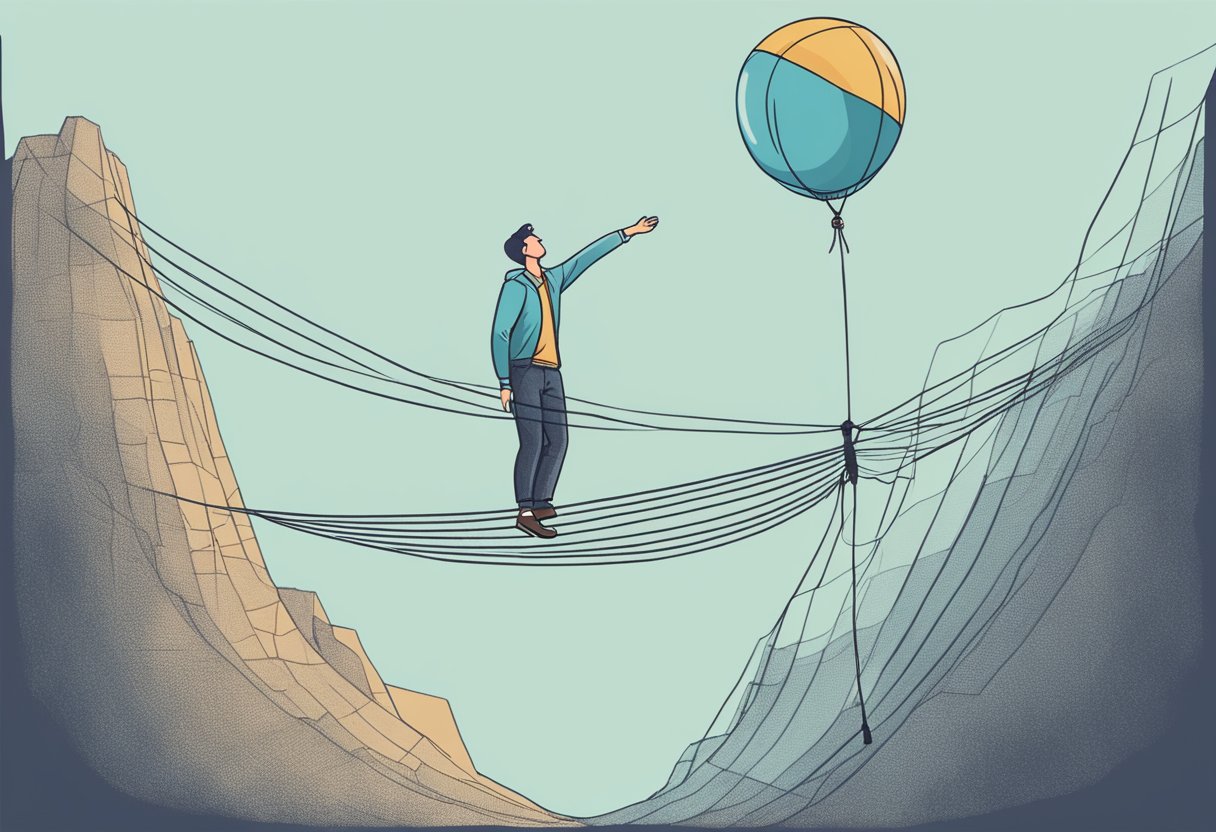
When considering your mental health, understanding how to manage your expectations is vital. Expectation management can significantly influence your mental well-being.
Education on Expectation Formation Start by educating yourself on how expectations are formed. Your brain creates predictive models based on past experiences, cultural norms, and personal beliefs. Studies have shown a link between these models and neurophysiological responses, which can affect your overall mental health.
Preventive Strategies
- Mindfulness: Regular mindfulness practice can help you stay present and reduce the stress associated with unmet expectations.
- Cognitive Behavioral Therapy (CBT): Engaging in CBT can equip you with tools to adjust unrealistic expectations.
- Support Systems: Building a robust support system can provide a realistic feedback loop for your expectations.
Set Achievable Goals Focus on setting small, achievable goals and be kind to yourself as you progress. Celebrate your successes, and view setbacks as learning opportunities. This approach helps in developing a healthier outlook on life’s challenges and reduces the likelihood of mental health issues.
Seek Professional Help If you find your expectations are frequently unmet and negatively impacting your life, consider seeking the guidance of a mental health professional. Interventions such as preventive psychiatry have shown promise in enhancing mental health outcomes.
Remember, the key is balance – it’s important to aspire for growth while also accepting your journey with compassion and understanding.
Final Reflections
Navigating the intricate relationship between expectations and mental health is a journey of self-discovery and adjustment. By understanding the profound connection between the two, we unlock the door to a healthier, more balanced state of mind.
As we close this exploration, remember that the power to redefine our expectations—and thus, our emotional well-being—lies within us. Embracing realistic goals, celebrating small victories, and practicing self-compassion are steps on the path to a happier, more fulfilled life.
For more insights into cultivating a positive outlook and enhancing your mental health, consider tuning into “The Reverse Optimism Pathway” podcast. Each episode is filled with advice, strategies, and perspectives designed to help you navigate the complexities of expectations, mental health, and beyond.
Listen to The Reverse Optimism Pathway Podcast
Let this be your invitation to a deeper understanding and a brighter, more optimistic future.
Expectations and Mental Health FAQs

When it comes to mental health, expectations can be a double-edged sword. Understanding how they influence your emotional state is key to managing psychological distress and fostering well-being.
How do unrealistic expectations contribute to psychological distress?
Unrealistic expectations can set you up for disappointment, frustration, and increased stress, which may contribute to psychological distress when your reality falls short of your aspirations.
In what ways do societal expectations impact an individual’s mental health?
Societal pressures to conform to certain roles or milestones can lead to a sense of inadequacy and anxiety, impacting your mental health if you feel unable to meet these perceived standards.
Can having high self-expectations affect your emotional well-being?
High self-expectations can lead to self-criticism and burnout when consistently falling short of one’s own demanding benchmarks, potentially undermining emotional well-being.
What is the relationship between perfectionism and mental health issues?
Perfectionism often entails a critical self-evaluation and fear of failure, which can be closely associated with various mental health issues, such as depression and anxiety.
How can managing expectations lead to improved mental health?
By setting realistic and flexible goals, you can avoid setting the stage for failure, thus fostering a healthier, more positive mindset that supports mental health.
What strategies can be employed to cope with unrealistic expectations at work?
Prioritizing tasks, setting achievable goals, and seeking support from colleagues can help manage workplace expectations, reducing the risk of overload and ensuring a healthier work environment.