
You’re getting things done, meeting expectations, and keeping up with responsibilities—but deep down, you feel drained, detached, and exhausted.
The people around you might not notice anything is wrong, and even you may dismiss the signs, telling yourself to push through. When success masks stress, burnout can quietly take hold, leaving you feeling overwhelmed without even realizing why.
Understanding how prolonged exhaustion impacts your well-being is the first step toward breaking free. By recognizing the warning signs early and making intentional changes, you can restore balance, protect your energy, and create a healthier, more sustainable way forward.
Table of Contents
Understanding High Functioning Burnout

High functioning burnout is unique because it often goes unnoticed. Unlike traditional burnout, it involves maintaining high performance levels while experiencing burnout symptoms. This invisible struggle can lead to physical and mental exhaustion without outward signs. Let’s consider the definition and key characteristics and explore how it contrasts with traditional burnout.
Definition and Key Characteristics
High functioning burnout occurs when you remain productive while feeling depleted. You may keep up with daily tasks and responsibilities, even excelling in them, but inside you experience exhaustion, stress, and lack of motivation. You might set exceptionally high standards for yourself, often at the cost of your well-being.
Key characteristics include persistent tiredness, increased irritability, and feeling overwhelmed. Often, those experiencing this type of burnout are perfectionists or overachievers. Despite appearing competent and calm, you might struggle to enjoy hobbies or social activities, feeling disconnected or numb.
Contrasts Between High Functioning and Traditional Burnout
Traditional burnout typically involves an obvious drop in performance and noticeable emotional distress. In contrast, high functioning burnout allows you to maintain your work output, although it’s a significant internal struggle. This can make it harder for others to recognize and understand your situation.
High functioning burnout is often linked to high-functioning anxiety, where worry and overthinking are common. You push through tasks without addressing the root causes of stress. This can lead to further issues, such as mental health challenges, if not addressed.
By understanding these differences, you can begin to recognize signs in yourself and seek appropriate support and strategies to manage your condition effectively.
Identifying High Functioning Burnout

Understanding high functioning burnout can help you recognize and address it effectively. Though people affected might still perform well in their jobs, they often feel overwhelmed and exhausted. Recognizing symptoms and assessing yourself are key steps toward finding a solution.
Common Symptoms and Signs
High functioning burnout often masks itself behind success, making it difficult to identify. You might feel constantly drained even after a full night’s sleep. Emotional exhaustion can manifest as irritability or cynicism. You might find yourself being highly critical of your work or feeling disconnected from colleagues and loved ones.
Physical symptoms can include frequent headaches, muscle tension, or a change in appetite. You might push through these feelings, convincing yourself that it’s just part of the job. But recognizing these signs is essential for prevention and recovery.
Self-Assessment Strategies
Understanding your level of burnout involves self-reflection. Start by asking yourself if you often feel mentally or physically exhausted. Journaling about your daily mood or energy levels can offer insights. Evaluating your work-life balance is another key factor.
You might also consider whether work tasks feel increasingly burdensome or if productivity levels are dropping despite putting in effort. Setting up consistent check-ins with yourself, perhaps weekly, helps track these changes. Professional assistance such as therapy can guide you in understanding and coping with burnout effectively.
Risk Factors and Causes
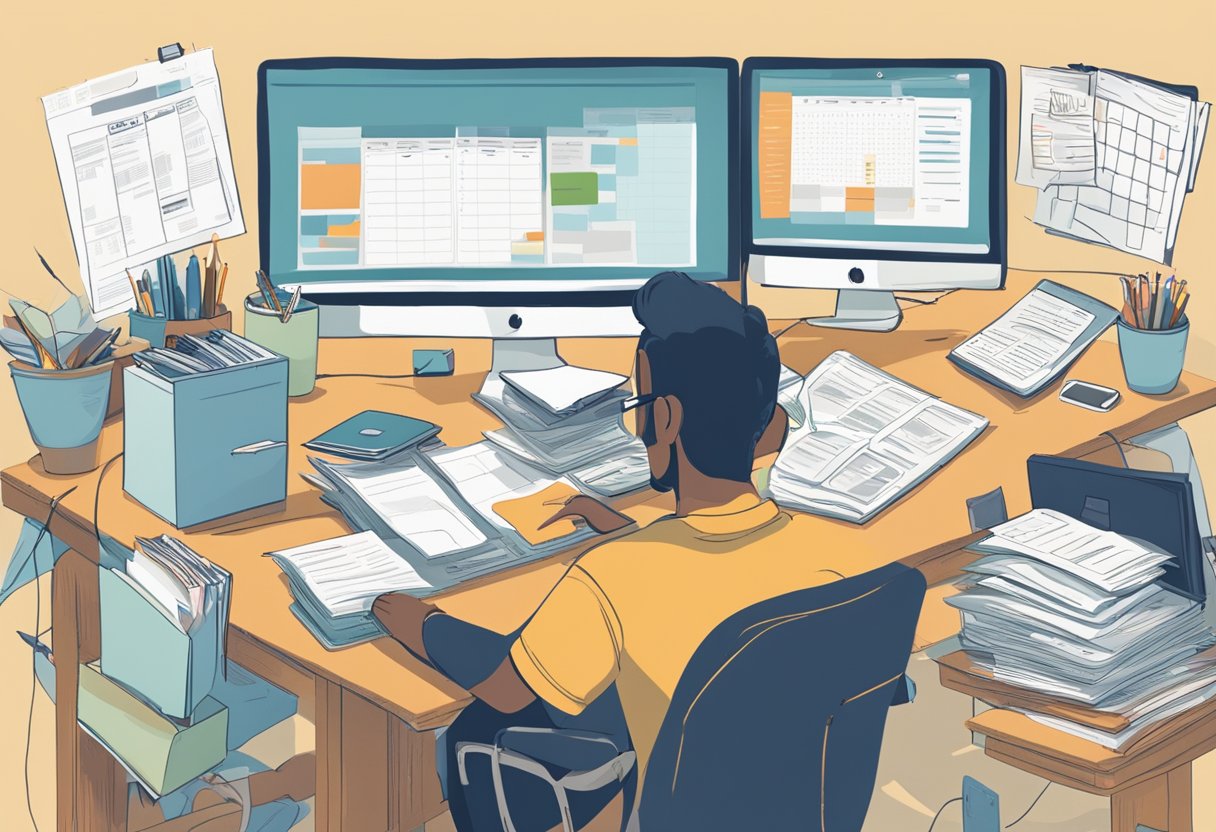
High functioning burnout can arise from many areas of your life. Key influences include the dynamics and culture of your workplace and your personal traits and lifestyle. Understanding these factors can help you manage stress more effectively.
Workplace Dynamics and Culture
The environment where you work plays a huge role in burnout. A heavy workload and long hours are common stressors. If expectations are unclear and you always feel rushed, stress can build up. Working in a helping profession, like healthcare or education, can increase risks because of high demands. Poor communication and support from colleagues or managers add pressure.
Office culture matters too. If you don’t feel valued or acknowledged, your stress levels may rise. An environment that ignores work-life balance leads to higher burnout risks. Consider your workplace’s attitude towards breaks and days off. Does it encourage rest, or is it all about pushing harder? This can change how burnout affects you.
Personal Traits and Lifestyle
Your own habits and traits also affect burnout. If you strive for perfection in everything, it can be tough to manage stress. People who are overly critical of themselves may feel more pressure. Having a lack of exercise can further increase personal and work-related burnout, as seen in studies.
Lifestyle choices like diet and sleep affect your energy. If you’re not getting enough rest, or if your diet lacks nutrients, burnout risk increases. Paying attention to how lifestyle and personal traits interact with stress can help you take control. Balancing high standards with realistic expectations can reduce burnout pressures.
Impact on Health and Wellbeing
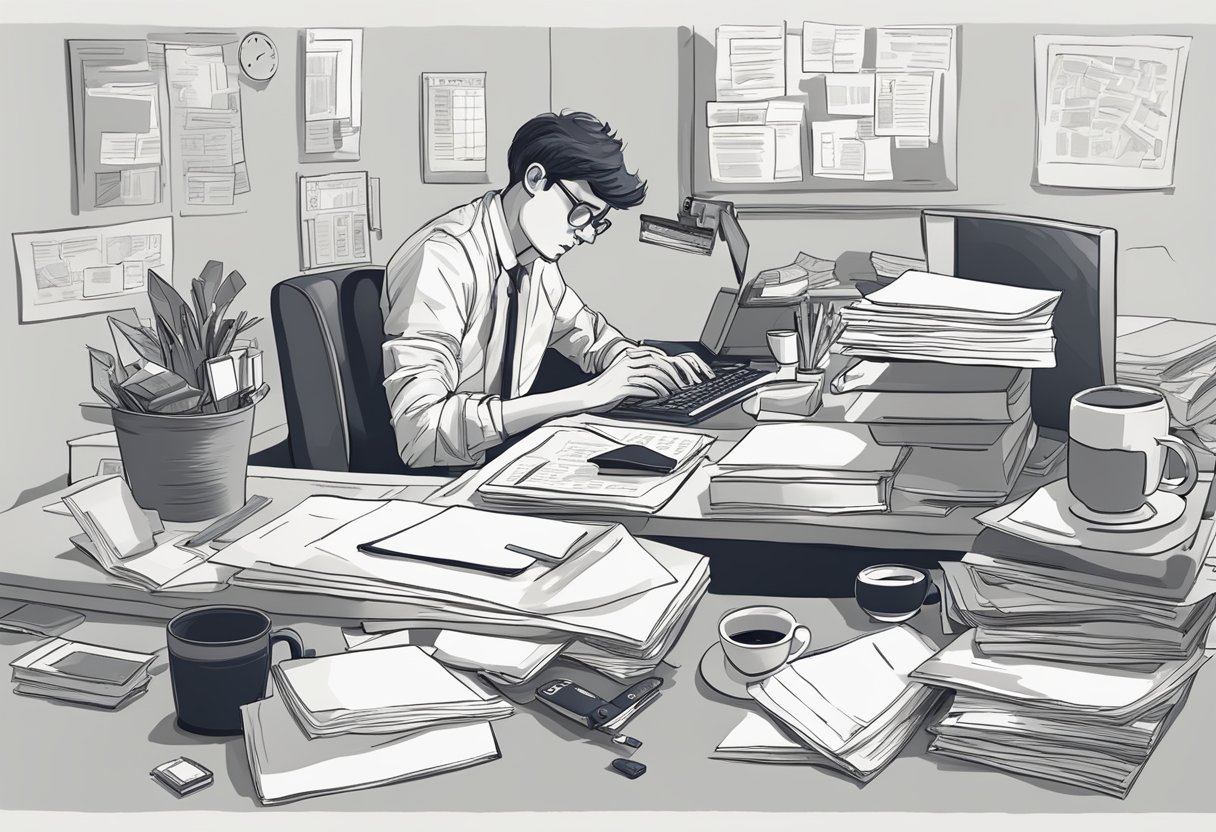
High functioning burnout can significantly influence both physical and mental health. It may alter how your body feels and how your mind copes with daily challenges.
Physical Health Consequences
When experiencing high functioning burnout, you may notice changes in your physical health. Headaches, fatigue, and muscle tension are common. These symptoms can persist, affecting your daily activities. Sleep problems often arise, leading to insomnia or restless nights. This lack of rest can weaken your immune system, making you more susceptible to illnesses. Over time, chronic stress linked with burnout can also increase the risk of heart disease. It’s important to address these physical signs early, so they do not become more severe.
Psychological and Emotional Effects
High functioning burnout impacts your psychological and emotional state as well. You may feel constant stress or anxiety. This can lead to feelings of detachment or irritability, affecting relationships with family and friends. There can also be a significant effect on your self-esteem. Depression is another serious risk, as feelings of hopelessness can grow over time. Recognizing these emotional and psychological challenges is crucial for finding support and making necessary lifestyle changes. Engaging with therapy or support groups can help you manage these effects. You don’t need to face these challenges on your own.
Strategies for Prevention

Preventing high functioning burnout requires deliberate action to balance work and life. Implementing clear boundaries and practicing self-care can make a significant difference. Additionally, effective time management and delegating tasks can relieve pressure and help maintain mental well-being.
Setting Boundaries and Prioritizing Self-Care
Creating a strong foundation for mental health involves setting boundaries both at work and home. Start by identifying activities that recharge you, such as hobbies or physical exercise. Establishing clear start and end times for your workday can help maintain a healthy work-life balance. Make it a habit to disconnect from work in your free time by turning off email notifications.
Practicing self-care is crucial. Engage in activities like yoga or meditation, which reduce stress through relaxation. Connecting with supportive friends and colleagues can also provide emotional relief. Remember, prioritizing self-care is not selfish; it’s necessary for staying energized and focused.
Time Management and Delegation
Efficient time management can significantly reduce stress levels. Begin by organizing tasks with a to-do list or digital planner. Prioritize urgent and important tasks and allocate specific time blocks to handle them. Learning to say “no” when necessary helps to avoid overcommitting.
Delegating tasks where appropriate is equally important. Share responsibilities with your team members to prevent overload. Encourage open communication at work to ensure everyone is clear on their roles. This fosters a team environment where people support each other. Healthy work habits not only prevent burnout but improve productivity as well.
Overall, setting boundaries, self-care, and effective management techniques together can be very helpful in preventing burnout.
Approaches to Treatment

Treating high-functioning burnout involves addressing both emotional and physical needs. Key strategies include seeking professional help and practicing relaxation techniques to manage stress effectively.
Professional Counseling and Therapy
Professional counseling is important for overcoming high-functioning burnout. A therapist can help you identify root causes, develop coping strategies, and manage symptoms. Counseling sessions provide a safe space to express feelings and explore solutions without judgment. Cognitive Behavioral Therapy (CBT) is often used to help change negative thought patterns.
Counseling also encourages healthier work-life balance. Therapists may suggest time management techniques or setting boundaries to reduce stress. Seeking help from a mental health professional can prevent worsening burnout and support a quicker recovery. For more on therapy’s role in managing high-functioning anxiety, explore this article from the Mayo Clinic.
Relaxation Techniques and Mindfulness Practices
Incorporating relaxation techniques into your daily routine can significantly ease burnout symptoms. Practices such as yoga, meditation, or even brief breathing exercises help calm your mind and reduce stress hormones. Mindfulness encourages you to focus on the present moment, reducing the burden of anxiety-provoking thoughts.
Engaging in activities you enjoy, like listening to music or spending time in nature, can also recharge your energy. Developing a structured routine that includes time for relaxation is key. These practices not only help in managing stress but can also improve overall well-being. Learn more about how relaxation can assist with burnout recovery at Healthline.
Navigating the Workplace
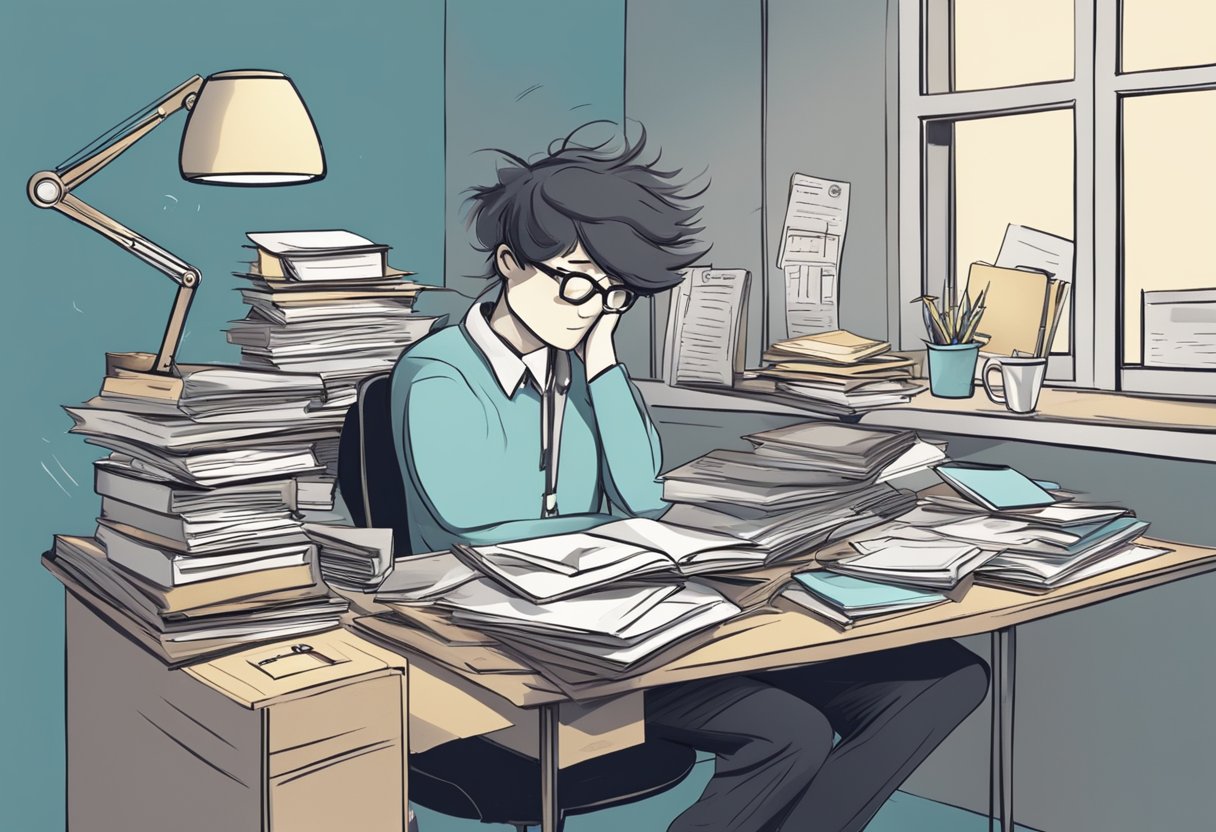
Dealing with high functioning burnout in a workplace can be challenging. It’s essential to know how to advocate for yourself and others and to create an environment that supports sustainability and well-being.
Advocacy for Change and Support
Speaking up for yourself is an important step in managing burnout. You want to address issues like high workloads or lack of support. By communicating with your supervisors or HR, you can help pave the way for changes that benefit everyone. Consider proposing solutions like flexible hours or burnout prevention programs. Sharing your concerns with colleagues can build a collective voice, increasing the chances of effective action. Your efforts may inspire changes that create a healthier work culture.
Creating a Sustainable Work Environment
Building a supportive work environment involves both personal and organizational changes. Individually, you might set boundaries, like not answering emails outside of working hours. Organizations can support this by encouraging breaks and respecting personal time. Implementing strategies such as regular team meetings can help clarify priorities and workloads. Prioritize wellness initiatives such as mindfulness or stress management workshops. A focus on sustainability increases job satisfaction and productivity. You can find more strategies on beating burnout in the workplace.
Final Reflections
Burnout isn’t just about exhaustion—it’s about losing the spark that once fueled your motivation and joy. When productivity comes at the cost of well-being, it’s time to reassess and realign. The path to recovery doesn’t require quitting everything but instead making small, intentional shifts that prioritize your mental and physical health. Boundaries, rest, and self-compassion aren’t luxuries—they’re necessities.
If you’re ready to explore deeper ways to restore balance and prevent burnout, The Reverse Optimism Pathway podcast offers valuable insights and strategies to help you thrive—not just survive.
Listen to The Reverse Optimism Pathway Podcast
You don’t have to wait until you hit a wall—take the first step today toward a healthier, more sustainable way of living.
High Functioning Burnout FAQs

High-functioning burnout is complex, impacting high achievers in unique ways. Recognizing symptoms early, differentiating related conditions, and taking preventive measures are crucial steps. Workplace culture and effective management strategies also play significant roles in addressing this condition.
What are the common symptoms of burnout and how do they manifest differently in high-functioning individuals?
High-functioning individuals often experience burnout symptoms like emotional exhaustion and depersonalization but might continue to excel at work. Despite seeming productive, internal struggles like feeling overwhelmed are common. You might notice a lack of motivation or detachment from your achievements.
How can one differentiate between high-functioning anxiety and high-functioning depression?
High-functioning anxiety might lead you to constantly seek perfection and worry about the future. In contrast, high-functioning depression often involves a persistent low mood and lack of energy. Understanding these differences can help you seek the appropriate support and treatment.
What strategies are effective in managing and recovering from high-functioning burnout?
Effective strategies include setting healthy boundaries and prioritizing self-care. Techniques like mindfulness and regular exercise can also reduce stress levels. It’s important to communicate your needs and seek professional help when necessary to fully recover from burnout.
Could you identify some early warning signs of burnout in people who are typically high achievers?
Early warning signs include feeling increasingly tired and less productive despite long working hours. You might feel detached from work or find it hard to enjoy activities you once loved. Recognizing these signs early can help prevent burnout from worsening.
In what ways can high-functioning anxiety lead to burnout, and what preventive measures can be taken?
High-functioning anxiety often leads to burnout due to constant high-pressure situations you place on yourself. Preventive measures include learning relaxation techniques and finding balance between work and rest. Being aware of your limitations can also prevent anxiety from escalating into burnout.
What role does workplace culture play in the development of high-functioning burnout, and how can organizations address this issue?
Workplace culture can either contribute to or alleviate burnout. Cultures that reward overwork may increase burnout risk. Organizations should encourage open communication and provide resources for mental health. Supporting initiatives that promote work-life balance can create a healthier workplace environment.