
Rejection stings—whether it’s a missed opportunity, a broken relationship, or a door that simply didn’t open the way we hoped. It’s natural to feel disappointment, but rejection doesn’t have to define us.
Through the lens of Reverse Optimism, rejection can be reframed as a chance to learn, adapt, and grow stronger. Instead of seeing it as an ending, we can view it as redirection—a step that leads us closer to new opportunities and deeper resilience.
In this article, we’ll explore practical strategies for navigating rejection with clarity, courage, and balance, transforming what feels like a setback into a powerful catalyst for growth.
Table of Contents
Understanding Rejection

Rejection is a common experience that can affect how you feel and think. Learning about its meaning, your emotional reactions, and the science behind it can help you handle it with more confidence and less fear.
What Is Rejection?
Rejection happens when your ideas, feelings, or presence are not accepted by others. You might experience it in personal relationships, at work, or even in daily situations like group activities.
It’s not always dramatic—sometimes, it’s a simple “no” or being left out. But even small forms of rejection can feel personal and sting deeply.
Rejection is part of life, and everyone goes through it. Knowing that it is universal can make it feel less isolating. Remember, it doesn’t define your worth or future.
Common Emotional Responses
When you face rejection, you might feel sadness, anger, or embarrassment. Some people experience self-doubt, wondering if they did something wrong. Others might feel anxious about future situations.
You can also react physically. Some symptoms include tightness in your chest, loss of appetite, or trouble sleeping.
A lot of people blame themselves, but it’s important to recognize that rejection often says more about the situation than your value as a person. Practicing self-compassion, as suggested in various guides, can make a big difference in healing.
The Psychology Behind Rejection
Rejection can trigger the same areas of your brain that respond to physical pain. This might be why it hurts so much, even if there isn’t a clear reason.
Your thoughts after rejection can shape how you feel about yourself. If you focus on negative self-talk, you might feel worse, while positive self-reflection builds resilience.
Some people are more sensitive to rejection due to their personalities or past experiences. This can lead to stronger emotional reactions, a pattern common in people with rejection sensitive dysphoria, as explained in books and mental health resources.
Understanding these triggers lets you take practical steps—like seeking support or learning coping skills—to feel better over time.
The Reverse Optimist Mindset

You can turn rejection into a tool for growth by changing how you think about setbacks. This approach encourages you to face negativity with honesty, use it to build resilience, and find opportunities to move forward.
Defining a Reverse Optimist
A reverse optimist takes a realistic look at challenges instead of always assuming things will go smoothly. You set honest expectations, acknowledging that things don’t always work out the way you want.
This mindset isn’t about being negative for its own sake. You prepare yourself for setbacks so you’re not caught off guard. When plans go wrong, you accept the situation instead of denying it or pretending to be cheerful.
Reverse optimism involves actively looking for lessons or skills you can gain when things don’t go your way. Instead of ignoring tough feelings, you pay attention to them so you can handle them better in the future. This way, you stay balanced and avoid big ups and downs in your mood.
Benefits of Embracing Negativity Constructively
Being open to negative feelings can help you grow stronger. When you recognize your disappointments, you have a chance to reflect and plan your next step thoughtfully.
A reverse optimist uses negative events as a reason to develop new skills or seek advice. For example, after facing rejection, you might look for ways to improve your abilities or take a new direction. This approach helps you avoid feeling stuck or helpless.
Constructively embracing negativity leads to more realistic expectations and less pressure to appear happy all the time. You become more flexible in how you respond to new challenges. Over time, this builds real confidence that doesn’t depend on only good results. For more insight on this, you can read about setting realistic expectations and embracing life’s unpredictability.
Transforming Setbacks into Growth
Every setback is a chance to learn something valuable. If you treat rejection as feedback instead of failure, you can find areas to work on and improve over time.
Use a simple table to guide your response after a setback:
| Situation | Your Response | Growth Outcome |
|---|---|---|
| Job rejection | Analyze feedback | Strengthen interview skills |
| Failed exam | Identify weak spots | Create a targeted study plan |
| Missed goal | Adjust strategy | Set more realistic next steps |
You can also try routines like journaling or talking to a mentor to reflect on what you learned. Taking action after a setback is key. As you apply these steps, you’re more likely to bounce back stronger and handle new challenges with greater patience and skill. For more methods on using rejection as an opportunity, see this guide on turning setbacks into success.
Building Emotional Resilience
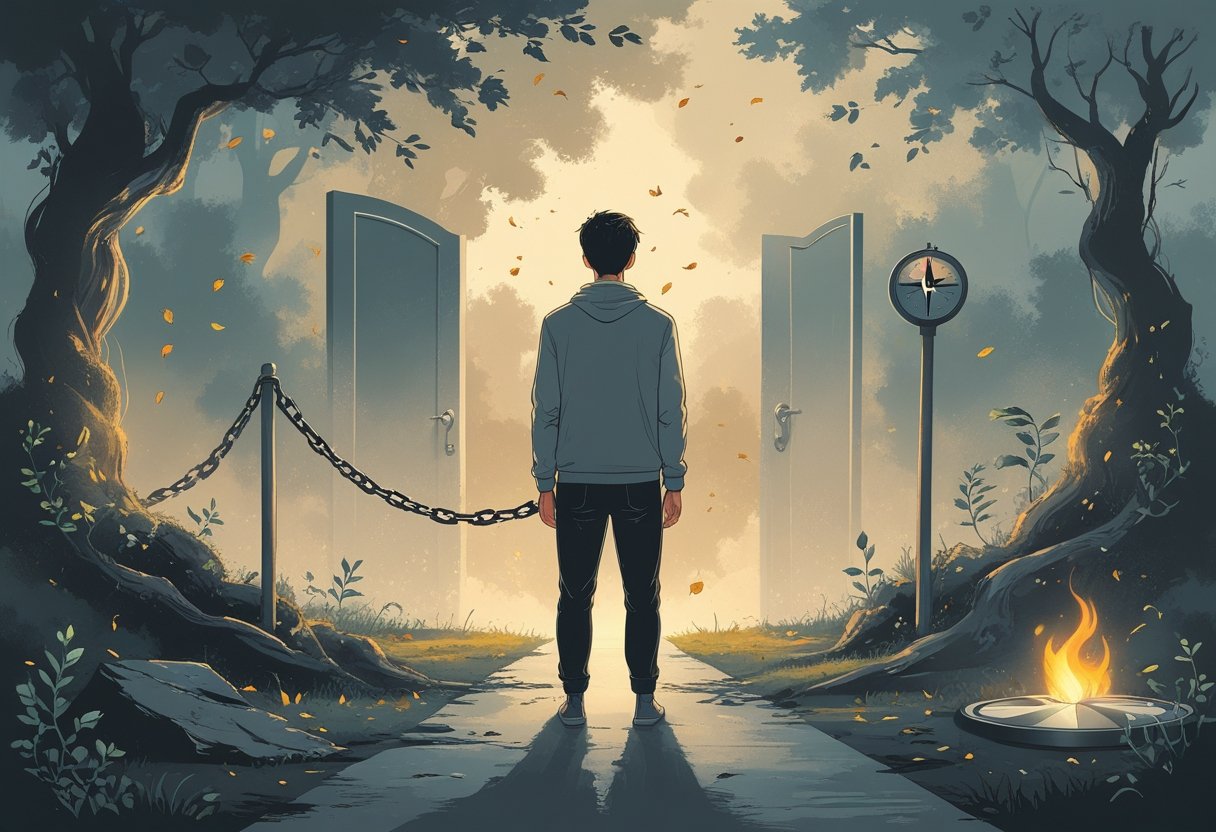
Facing rejection can be tough, but there are real steps you can take to build resilience. You can use easy strategies to manage your emotions, notice what triggers your reactions, and treat yourself with understanding.
Practical Tools for Coping
When you are rejected, it can feel personal and overwhelming. Having a few grounded strategies can help you get through the initial pain.
One helpful tool is deep breathing. Slow, deep breaths calm your body and mind. Another tool is to keep a journal. Writing down your feelings helps you make sense of what happened and spot patterns in how you respond over time.
Try these simple steps after facing rejection:
- Pause before reacting.
- Practice relaxation techniques.
- Talk with someone you trust or write in your journal.
- If negative thoughts linger, gently challenge them by asking, “Is this really true?”
Having a plan makes it easier to move forward. You can also find more strategies for building emotional resilience and turning setbacks into growth.
Recognizing Personal Triggers
Everyone has certain situations or words that trigger strong reactions to rejection. Noticing these patterns can help you understand where your emotions come from.
For example, maybe criticism from a teacher or boss makes you feel worse than rejection from a friend. Or perhaps reminders of past experiences increase your sensitivity today. Try writing down when rejection feels the hardest and look for patterns.
By knowing your triggers, you can prepare for them. You might practice calming techniques before going into situations you know are hard. Over time, you will see which triggers cause the strongest reaction, and you can plan how to take care of yourself during those times.
Learning about your triggers is a step towards managing rejection with confidence.
Building Self-Compassion
Self-compassion means treating yourself with kindness after rejection instead of being harsh or critical. When you talk to yourself with understanding, it becomes easier to bounce back.
If you catch yourself thinking, “I always mess up,” pause and rephrase it with kindness: “I made a mistake, but I am still learning.” You could also picture what you would say to a good friend and say the same to yourself.
Use the following self-compassion reminders:
- It’s okay to feel hurt.
- You are not alone in facing rejection.
- Mistakes and setbacks help you grow.
Being gentle with yourself helps you build true confidence. Developing self-compassion is a key part of turning setbacks into resilience.
Strategic Ways to Respond to Rejection

Rejection can trigger strong emotions and make you question your abilities. Learning to respond thoughtfully helps you protect your well-being and use setbacks as opportunities for growth.
Pause Before Reacting
When you first experience rejection, it is easy to react quickly and emotionally. Taking a pause, even just a few minutes, can help you avoid saying or doing something you might later regret. This brief break gives your mind time to process what happened.
Use simple steps to slow down. For example:
- Take a few deep breaths.
- Count to ten.
- Step outside for fresh air.
- Write down your first thoughts before responding.
These actions can reduce stress and prevent rash decisions. Giving yourself space to feel your emotions is important, but acting with calm helps you maintain control. Remind yourself that rejection happens to everyone. Your reaction shapes what happens next and keeps the situation from getting worse.
Reframing Feedback
Not all rejection comes with helpful feedback, but when it does, you can use it to improve. Instead of viewing feedback as personal criticism, try to see it as information about your strengths and where you can grow.
To reframe feedback, you can:
- Ask clarifying questions if something is unclear.
- Identify specific points that you can work on.
- Thank the person who gave you feedback, even if it is hard to hear.
Turning feedback into action steps shows that you are open to improvement. If no feedback is offered, use the opportunity to reflect on what you did well and what could change next time. For more strategies, visit this list of ways to turn setbacks into growth.
Setting Healthy Boundaries
Rejection often brings up feelings that make it tempting to over-explain or try to change someone’s mind. Setting healthy boundaries helps you protect your time, energy, and self-esteem.
You can set clear boundaries by:
- Politely ending conversations that become uncomfortable.
- Deciding what feedback you will accept and what you will let go.
- Letting others know when you need space to process your feelings.
Boundaries are not about pushing people away. They are about creating a space where you can heal and decide your next steps. Saying “no” or asking for space is healthy and helps you keep a positive sense of self. To learn more about protecting your emotional well-being, check out these strategies for navigating rejection.
Learning from Rejection

Rejection can feel harsh at first, but it often points to steps you can take to grow. You can use it as a real-life tool to guide your next actions and build toward your goals.
Identifying Areas for Growth
When you get rejected, start by looking closely at the situation. Try to spot any patterns or reasons behind the decision. Was it your skills, timing, or maybe just a mismatch of needs? Making a short list of possible factors can help.
Ask for feedback if it is possible and comfortable to do so. Sometimes people will offer clear reasons or details about what you can change. Even a few words can be helpful. Keep a journal or simple notes to track what you learn from each experience.
Using what you collect, pick one or two concrete skills or habits you want to improve. This targeted approach helps you avoid feeling lost or overwhelmed. For example, after being turned down for a job, you might take online courses or try practice interviews to boost your abilities.
Turning Criticism into Opportunity
Criticism can be uncomfortable, but it is often a gift in disguise. By noticing what is said—and how it is said—you can spot new directions to explore. Instead of taking harsh words personally, treat them like clues for self-improvement.
For instance, if a teacher says your essay lacked clear arguments, you can focus on writing clearer outlines next time. Breaking down big criticism into small action steps makes change more manageable.
You can also use rejection to build mental strength. Reflecting on what happened, setting realistic goals, and being kind to yourself each time will help you bounce back faster. Over time, you might even use rejection as a path for learning and growth that guides your next choices.
Setting Realistic Expectations

When handling rejection, it helps to shape your mindset around what is truly possible and likely. The way you set your standards and prepare for ups and downs can influence your satisfaction and resilience.
Rethinking Standards of Success
Success is not always about reaching the top right away. It can mean making progress, learning from mistakes, or building new skills as you go. By considering smaller, practical goals instead of only focusing on big wins, you will lower your chances of disappointment.
It is important to remember that everyone’s path is different. What works for someone else may not be possible in your current situation, and that is perfectly normal. When you set standards that match your resources, time, and experience, you will feel more in control and encouraged.
Try not to measure your value by one result or another person’s achievements. Setting practical standards leads to less frustration and disappointment. It also gives you the chance to enjoy small successes and keep moving forward.
Anticipating Challenges
Rejection is part of trying new things, but it does not have to stop your progress. If you can expect setbacks from the start, it is easier to bounce back. Nothing always goes perfectly, and even the best plans will face problems.
List the possible difficulties that could come up—like lack of experience, tough competition, or things out of your control. This makes them feel less personal and more manageable.
Having realistic expectations helps you react with patience and flexibility. You can plan ahead with steps like asking for feedback or taking a short break to refocus. This balanced approach makes it possible to learn from each situation and try again stronger. For more tips, see this guide to developing resilience in the face of rejection.
Maintaining Motivation After Setbacks

Losing motivation after a setback is natural. Rejection can feel discouraging, but practical steps help you move forward with purpose and confidence.
Redefining Personal Goals
Setbacks often mean your first plan didn’t work out as you hoped. Instead of giving up, try adjusting your goals. Start by thinking about what matters most to you right now. Write down your goals again, making them smaller and more specific if needed. This helps you focus on actions you can control.
Use these strategies:
- Break larger goals into smaller steps: For example, if you missed out on a job, aim to update your resume or apply to one job per week.
- Reflect on what you learned: Think about how the setback can help shape a better approach going forward.
- Visualize your progress: Imagine yourself reaching the next milestone, no matter how small. Visualization can increase your commitment and boost your motivation after a major setback.
Stay flexible. If a certain path doesn’t work, you have the chance to find a new direction that still fits your values.
Finding Support Systems
Rejection can feel isolating, but you don’t have to handle it by yourself. Reaching out to friends, family, or mentors gives you comfort and perspective. You can share your feelings without fear of judgment.
Look for support in different places:
- Join online or in-person support groups related to your goals or interests.
- Ask for feedback from trusted people who can guide you, rather than just provide comfort.
- Share both struggles and wins to help you feel connected with others on similar journeys.
Building support can make it easier to shift toward growth and resilience. Studies show that encouragement from others is linked to bouncing back after setbacks. The people around you can help you remember your strengths when you feel uncertain.
Celebrating Progress and Small Wins

When you face rejection, it can be easy to overlook the steps you have already taken. Taking a moment to notice your progress—even small steps—can help you stay motivated and lessen negative feelings.
You don’t need to wait for major achievements. Each time you try again, revise your approach, or simply keep going, you are making progress. These small wins create a foundation for future success and build your confidence.
Why celebrate small wins?
- They reinforce positive habits
- They build resilience and self-esteem
- They help you recognize personal growth
| Small Win Example | How to Celebrate |
|---|---|
| Sent a new email | Share the news with a friend |
| Updated your resume | Treat yourself to your favorite tea |
| Applied for a job | Write down what you learned |
Try to keep a journal or checklist. Pause to reflect on what you did well, rather than only focusing on what still needs work. Acknowledging your progress, even in tiny steps, can make a real impact on how you feel about your journey (see how progress builds confidence).
Celebrating small achievements does not mean ignoring challenges. It simply means recognizing your efforts, which can help you handle setbacks and stay encouraged as you continue forward (why small wins matter).
Long-Term Strategies for Personal Growth

When you face rejection, it’s key to build routines that help you move forward. Practice self-reflection often. Take time to write about your feelings in a journal or talk with someone you trust. This helps you understand your emotions and reactions.
Reframe setbacks as learning moments. Instead of thinking you failed, see rejection as feedback. Ask yourself, “What can I do differently next time?” This attitude helps you use rejection as fuel for improvement and growth.
Try these steps to support your personal growth:
- Acknowledge your feelings
- Learn from each experience
- Set new, realistic goals
- Celebrate small successes
Building a support network is also important. Reach out to friends, family, or mentors when you need encouragement. You don’t have to go through it alone. Staying connected can make a big difference in how you recover from setbacks.
It helps to view rejection as a path to resilience. Over time, as you gain confidence and learn emotional coping skills, you become stronger. You can learn more about building resilience and reframing rejection from this guide on personal growth after disappointment.
Remember, self-compassion matters. Treat yourself kindly, even when things don’t go as planned. Each small step you take helps you grow and move forward.
Final Reflections
Rejection may feel like a closed door, but with the right mindset, it can open countless others. By applying the principles of Reverse Optimism—realistic expectations, constructive disappointment, and continuous adaptation—we can move through rejection with resilience and grace. Each “no” becomes a stepping stone toward greater clarity, growth, and ultimately, a stronger sense of self.
For more insights on handling life’s challenges with balance and optimism, tune into The Reverse Optimism Pathway podcast. Each episode offers tools and perspectives to help you reframe setbacks and find strength in life’s hardest moments.
Listen to The Reverse Optimism Pathway Podcast
Rejection isn’t the end of your story—it’s a chapter that can shape you into someone even stronger, wiser, and more resilient.
Navigating Rejection FAQs
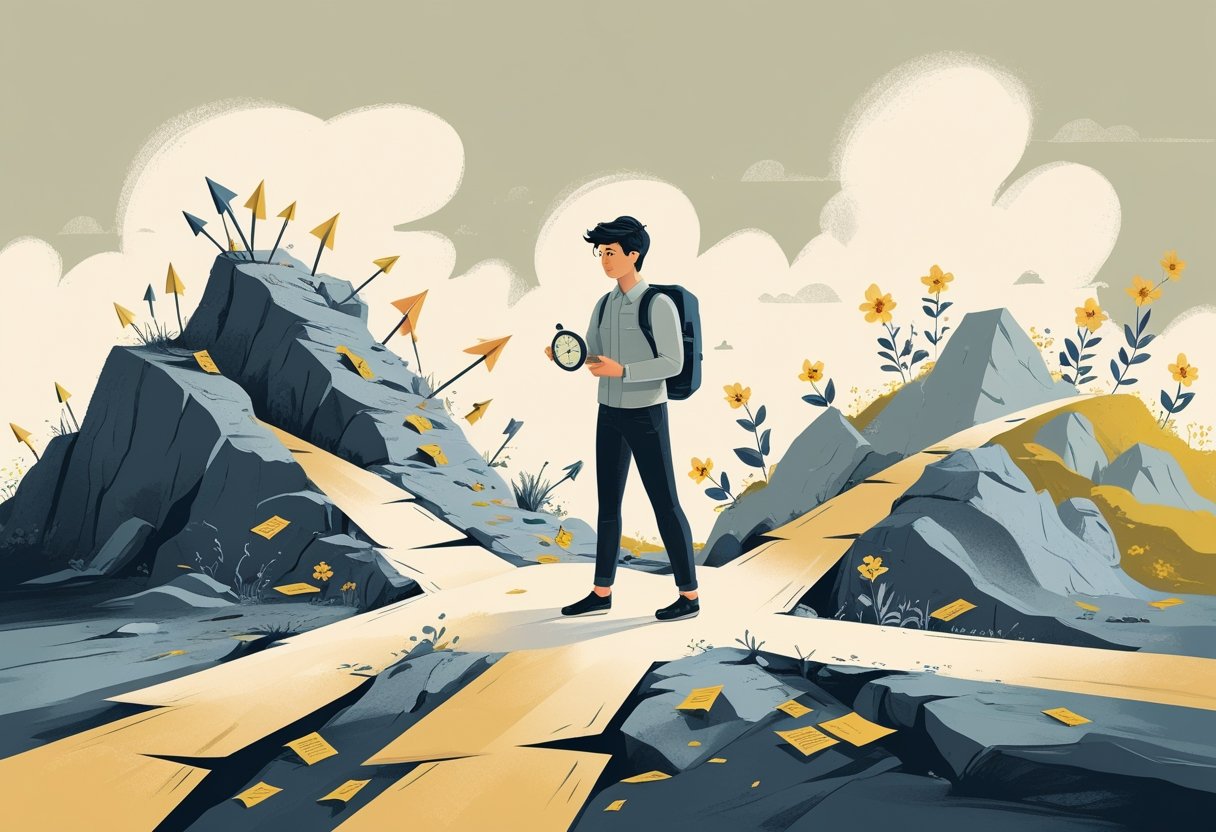
Facing rejection can be painful, but you can use specific tools and habits to make the process easier. Learning how to respond, maintain your sense of self, and pick up useful lessons helps you bounce back with new strength.
How can I reframe rejection to positively impact my personal growth?
You can view rejection as a chance to gain insight into areas for development or change. Instead of seeing it as personal failure, treat it as helpful feedback or a new direction for your goals. This mindset can make you more open to self-discovery and personal growth.
What are effective coping strategies to deal with the emotional impact of rejection?
Try talking to trusted friends or family about your feelings. Journaling your thoughts, practicing self-compassion, and taking part in calming activities can help. Connecting with others who support you can make healing feel less lonely and more manageable. Finding the right support is a key part of coping with rejection.
Can you suggest ways to maintain self-esteem and confidence after experiencing rejection?
Remind yourself of your strengths and past successes. Focus on things you control, like your attitude and efforts, instead of outcomes. Celebrate small wins and take care of your health by eating, sleeping, and exercising well. Having supportive people around you also helps keep your self-worth steady.
What are the steps to take in order to learn and move on from a rejection?
First, allow yourself to feel disappointed. Reflect on what happened, then look for lessons or things you could change. Set new, specific goals and create a plan for your next steps. Stay patient, and try again with what you’ve learned for better results next time. You can find more advice on managing rejection.
How can I differentiate between constructive criticism and plain rejection?
Constructive criticism gives you clear reasons, examples, or suggestions for improvement. It often comes with a supportive tone. Plain rejection usually lacks feedback and doesn’t explain what you could do differently. The way feedback is delivered can help you tell if it’s meant to help you grow or if it’s just a dismissal.
What is the role of resilience in overcoming the fear of future rejections?
Building resilience helps you recover more quickly from setbacks. When you expect that rejection might happen and believe you can handle it, you become less afraid to try new things. Practicing resilience makes everyday challenges less overwhelming and helps you see rejection as temporary, not permanent. Learn more about emotional resilience and rejection.