
Staying positive in the face of adversity can be helpful—but not when it means ignoring difficult emotions or forcing a smile through pain. In today’s culture of “good vibes only,” toxic positivity can mask real struggles and discourage the honest processing of emotions.
That’s where Reverse Optimism offers a healthier alternative. Instead of glossing over hardship, it encourages a balanced mindset—one that accepts life’s ups and downs, finds meaning in discomfort, and values emotional authenticity.
In this article, we’ll explore how Reverse Optimism differs from toxic positivity and why this distinction is crucial for real personal growth and mental well-being.
Table of Contents
Understanding Reverse Optimism

Reverse optimism is a way of thinking where you expect things to go wrong, so you are better prepared when problems happen. Unlike toxic positivity, which demands happiness even when things are hard, reverse optimism lets you accept difficulties in a realistic way. This approach can help you build resilience and manage setbacks with a clearer mindset.
Definition of Reverse Optimism
Reverse optimism is the habit of planning for setbacks and recognizing possible problems before they occur. Instead of assuming everything will turn out well, you look at situations with a practical mindset. You mentally prepare for obstacles while still hoping for the best.
This mindset does not mean you are constantly negative. It simply helps you stay alert to what could go wrong. By seeing potential risks, you can make better decisions and respond calmly if issues arise.
Reverse optimism helps reduce disappointment because you expect ups and downs. You face reality, so you often feel less stressed when surprises do occur. This practical approach is different from both blind optimism and constant pessimism.
Origins and Core Principles
The idea of reverse optimism has roots in ancient philosophy. Some Stoics believed that imagining worst-case scenarios would make people stronger and less fearful. This practice, called “premeditatio malorum,” helped them stay calm and prepared during tough times.
Key principles of reverse optimism include:
- Anticipation of problems: You think through what could go wrong.
- Preparation: You make plans to handle difficulties.
- Acceptance: You recognize that setbacks are part of life.
Reverse optimism encourages you to balance hope with realistic thinking. This mindset can lead to greater confidence when facing new situations. By focusing on preparation, you tend to be more adaptable when life changes unexpectedly.
Real-Life Examples of Reverse Optimism
Imagine you are planning a family road trip. You check your car’s tires, pack an emergency kit, and plan extra stops in case of delays. You hope for a smooth trip but expect things might not go as planned.
At work, you might prepare a backup plan before giving a big presentation. If the projector fails or you forget your notes, you already know what to do next. This prevents panic and keeps you feeling in control.
Parents sometimes use reverse optimism to protect their children. They explain what to do in emergencies or talk openly about handling disappointment. This way, children gain skills to cope with stress and setbacks in their own lives.
What is Toxic Positivity?
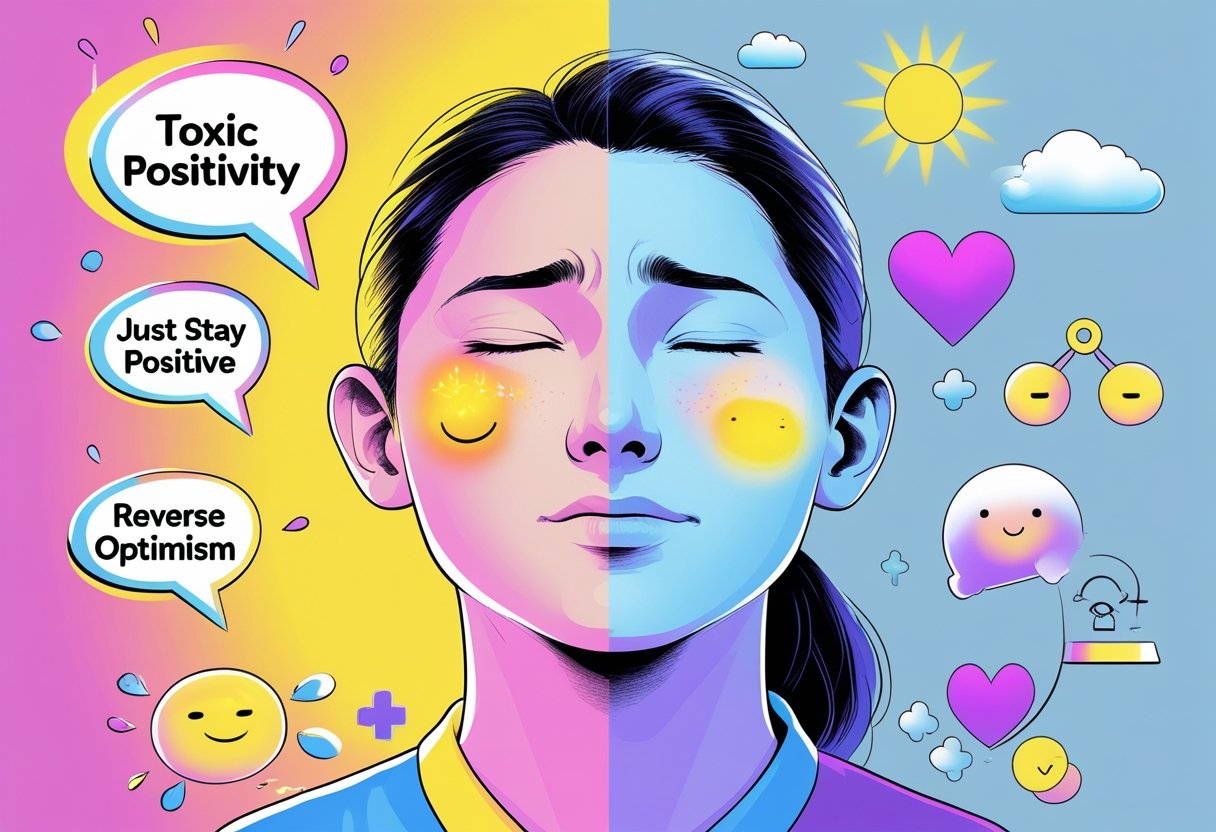
Toxic positivity happens when you’re pushed to stay happy and positive, even when your feelings are more complex or difficult. It dismisses negative emotions and sometimes causes more harm than good.
Defining Toxic Positivity
Toxic positivity is the belief that you should always look on the bright side, no matter what is happening. Instead of accepting real emotions, it encourages you to hide sadness, anger, or fear. This kind of thinking can make you feel ignored or misunderstood.
Where healthy optimism supports hope in tough moments, toxic positivity tells you to ignore your true feelings. Phrases like “just stay positive” or “good vibes only” are common examples. These statements may seem supportive, but they can prevent honest conversations about real problems.
When you feel pressured to smile or be cheerful all the time, you might hide your struggles from others. Over time, this can lead to more stress and even feelings of loneliness or shame. Taking time to accept and talk about difficult emotions is an important part of mental health. You can read more about this from Verywell Mind’s article on toxic positivity.
Common Signs of Toxic Positivity
There are a few signs that toxic positivity might be affecting you:
- Ignoring or denying personal pain or sadness
- Using statements like “it could be worse,” or “everything happens for a reason”
- Feeling guilty or weak for having negative emotions
- Rushing to fix someone’s feelings instead of listening
- Feeling uncomfortable when others express sadness or anger
It’s common to try to cheer up friends or family, but toxic positivity can make someone feel judged, instead of supported. It’s important to recognize if you or others don’t feel safe sharing real emotions.
A healthy attitude makes room for all your feelings, not just the happy ones. By seeing these signs, you can start creating space for more honest and helpful conversations. Learn to respond with empathy rather than empty encouragement. Forbes gives more examples of toxic positivity and alternatives you can use.
Cultural Influence on Toxic Positivity
Toxic positivity is not just a personal issue. Many cultures push the belief that you should always look happy and put a positive spin on life’s challenges. Social media often shows people acting cheerful, which can make you feel like you need to hide your real struggles.
In work or school, you might notice a pressure to avoid talking about stress or failure. In some families or communities, showing sadness is seen as weak, so people keep their feelings to themselves.
This cultural pressure can shape how you handle your own feelings. It’s important to remember that being open about difficulties is not a sign of failure. Challenging toxic positivity allows you and those around you to build healthier, more honest relationships. For more details, you can check out the discussion on how toxic positivity impacts mental health.
Key Differences: Reverse Optimism vs Toxic Positivity
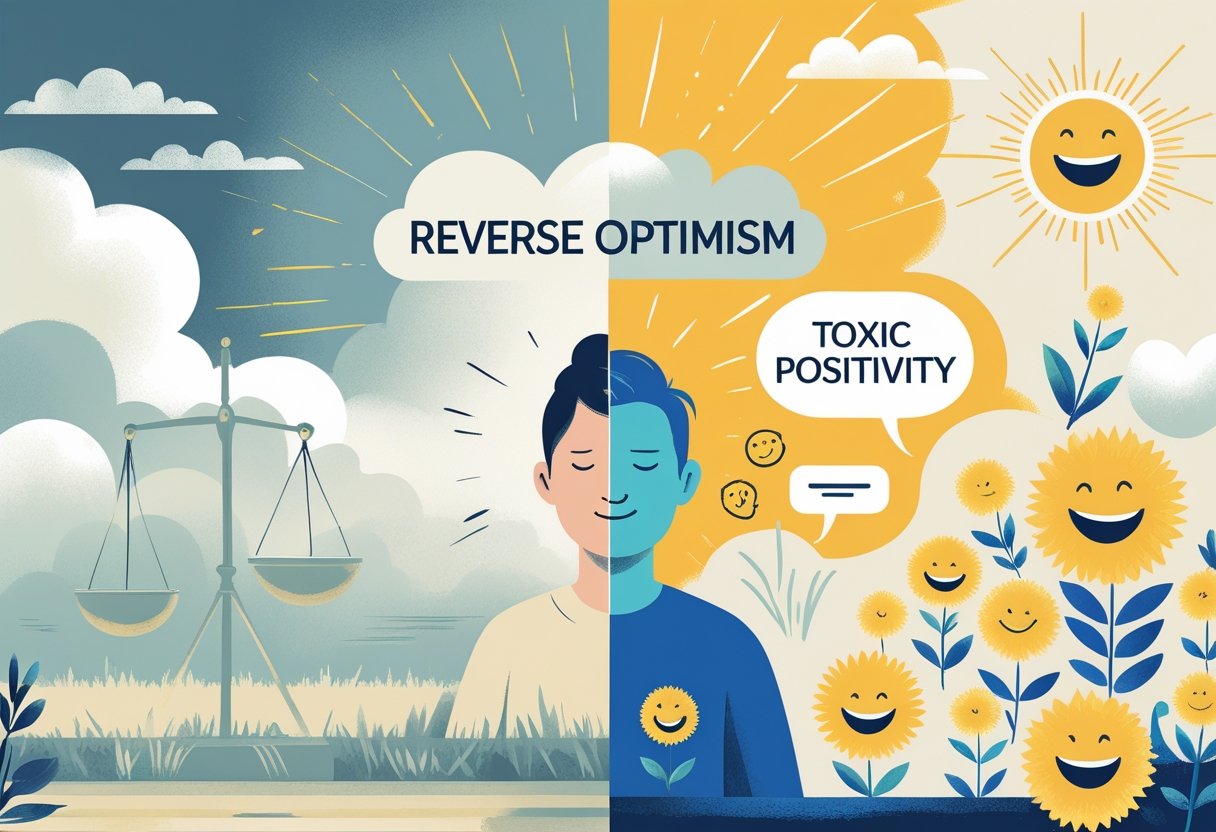
Understanding how reverse optimism and toxic positivity work can help you better respond to difficult moments. How you approach hard feelings, care for your mental health, and talk with others changes based on which mindset you use.
Approach to Negative Emotions
Reverse optimism acknowledges and sometimes focuses on potential negative outcomes. If you use reverse optimism, you might prepare for the worst while still hoping for the best. This can help you feel ready for disappointments and see both the good and bad sides of a situation.
Toxic positivity pushes you to ignore or deny negative emotions. You may hear or say things like “just stay positive” or “don’t be sad,” even when something is truly upsetting. This mindset often avoids honest feelings and does not make space for sadness, anger, or fear.
Key differences include:
- Reverse optimism: Accepts negative feelings and uses them to plan.
- Toxic positivity: Avoids negative feelings and may shame those who express them.
Healthy emotional responses require facing both positive and negative feelings. By allowing yourself to feel and discuss difficult emotions, you foster growth and resilience. Embracing all emotions is part of genuine optimism, not toxic positivity.
Impact on Mental Health
Reverse optimism can support your mental wellbeing by preparing you to handle setbacks. By recognizing challenges, you can build coping skills and reduce disappointment if things don’t work out as hoped. This approach may lessen anxiety because you have a plan for different outcomes.
Toxic positivity may hurt your mental health over time. Denying negative emotions can lead to bottled-up feelings, which might result in stress, guilt, or feeling misunderstood by others. It can also create pressure to appear happy when you might actually need support or comfort.
The impact of each mindset is clear:
- Reverse optimism: Encourages planning and realistic hope.
- Toxic positivity: Discourages open discussion of struggles.
Understanding these effects helps you choose a more balanced and compassionate way to manage your emotions. Prioritizing acceptance over denial makes personal healing and happiness easier.
Communication Styles
Reverse optimism leads to open and honest conversations. You might say, “This could be tough, and I’m a little worried, but I’m ready for whatever happens.” This style helps others feel heard, supported, and less alone in their struggles.
Toxic positivity often uses phrases like, “You’ll be fine, don’t worry about it!” or “Look on the bright side!” These comments can feel dismissive because they may ignore the real pain or struggles you or others are facing.
Compare these examples:
| Reverse Optimism | Toxic Positivity |
|---|---|
| “It might not go well, but I’ll be okay either way.” | “Only good things will happen, don’t think about the bad.” |
| “I’m nervous, and that’s normal.” | “Don’t be negative.” |
Clear and empathetic communication supports trust and helps build stronger connections. When you share your true thoughts, you invite others to do the same, which brings people closer together and improves emotional wellbeing.
Psychological Effects of Reverse Optimism
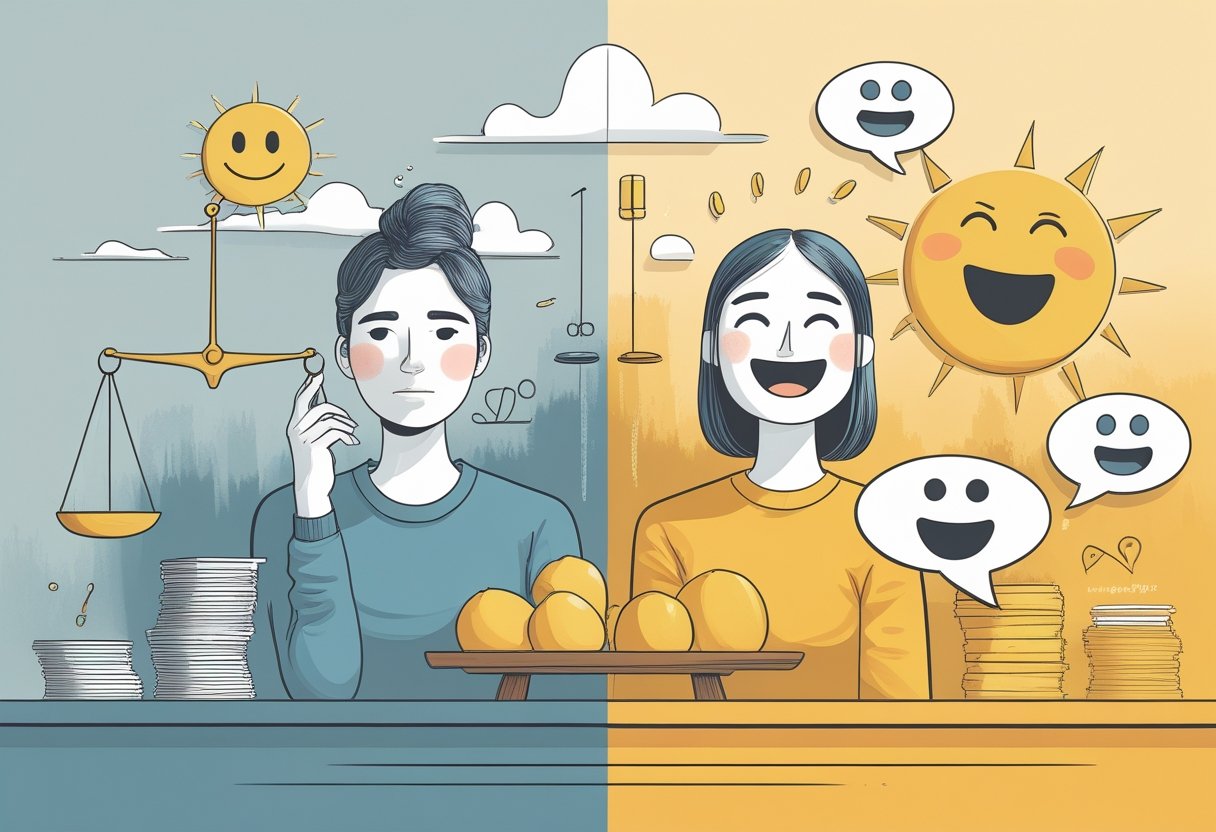
Reverse optimism invites you to notice and accept both positive and negative emotions. By doing this, you can build healthier ways of handling stress, sadness, and change in your life.
Benefits of Embracing All Emotions
When you accept all your feelings, you give yourself space to grow and heal. Ignoring difficult emotions—like sadness, anger, or fear—can make those feelings stronger over time. Reverse optimism helps you see these emotions as normal, instead of something to hide or avoid.
You are more likely to understand your own needs when you pay attention to every emotion. This honesty can also help you connect with friends or family. When you are open about struggles, others may feel safe to share as well.
Building self-awareness is another benefit. Simply noticing your feelings without judgment is a key step toward healthy coping. Psychologists agree that accepting both light and dark emotions can prevent problems linked to toxic positivity.
How Reverse Optimism Supports Wellbeing
Reverse optimism teaches you to manage difficult moments in a realistic way. By admitting when things are hard, you can respond with self-care instead of denial. This approach reduces shame, guilt, and bottled-up stress.
You may notice that your mood improves over time because you are no longer pretending everything is fine. Instead, you use self-awareness to find helpful solutions or support. Experts have found that healthy optimism is being hopeful but also honest about life’s struggles.
Using reverse optimism, you can build resilience, or the strength to recover from hard times. The more you practice, the stronger your coping skills become. This gives you tools for handling any challenge in a balanced and thoughtful way.
Harms Associated with Toxic Positivity
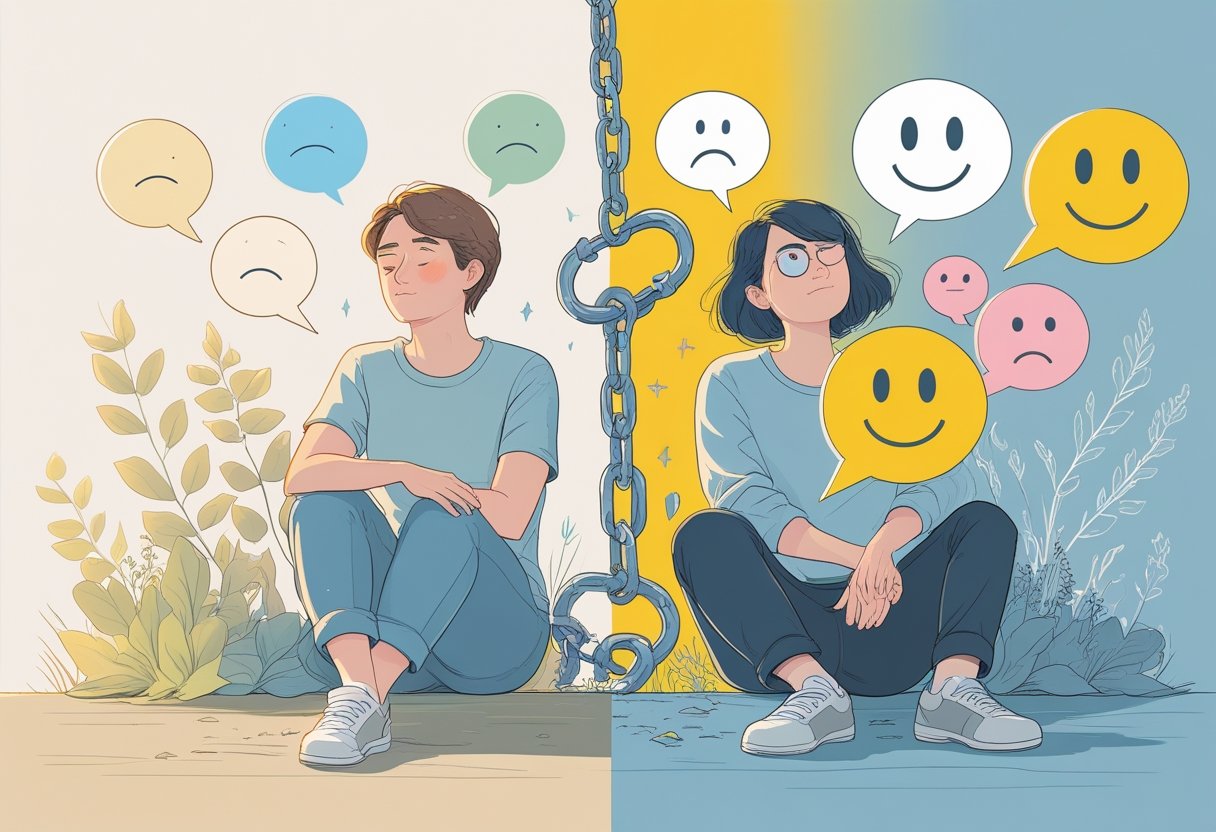
Toxic positivity may seem supportive at first, but it can cause you to ignore your real feelings and hurt your mental health over time. Understanding the risks can help you support yourself and others in healthier ways.
Emotional Suppression
Toxic positivity often leads you to hide your true emotions in order to keep up a happy front. When you feel pressured to “stay positive” no matter what, you may start to deny feelings like sadness, anger, or fear. This can make it hard for you to process difficult experiences.
If you push down these emotions regularly, you create a habit of emotional suppression. Suppressing feelings can lead to feeling misunderstood or alone, because you’re not sharing your real thoughts with others. It can also cause feelings of shame or guilt whenever less-than-happy emotions arise.
Emotional suppression can make you anxious or stressed, as you work hard to keep negative emotions hidden. Over time, this habit can increase tension both inside your mind and in your relationships. It is important to allow space for all emotions, even the tough ones, so you can handle stress instead of hiding from it. For more information, check out this resource on toxic positivity and emotional suppression.
Long-Term Mental Health Risks
Consistently ignoring negative feelings can lead to serious mental health problems. Over time, toxic positivity can make anxiety and depression worse, especially if you feel like you have to keep your struggles secret.
Research suggests you might develop unhealthy coping skills, like isolating yourself or avoiding tough conversations. Suppressed emotions can even affect your body, creating headaches, muscle pain, or trouble sleeping. Some people experience a sense of emptiness because they never let themselves process hard moments.
It’s important to be honest about your feelings and let yourself work through them. This helps you build real resilience and deeper relationships with people you trust. If you want to learn more about the dangers of long-term toxic positivity, visit this page about mental health risks of toxic positivity.
Cultivating Healthy Optimism

Healthy optimism means looking for hope while still facing problems honestly. This helps you cope better and feel less stress in tough times because you aren’t ignoring your real feelings or challenges.
Strategies for Balanced Positivity
Balanced positivity is not about always being cheerful. It’s about being realistic but still hopeful. You can practice this by recognizing both good and bad parts of a situation.
Ways to maintain balanced positivity include:
- Practice gratitude: Each day, think of a few things you are thankful for, no matter how small.
- Set realistic goals: Break large tasks into smaller, manageable steps.
- Accept setbacks: Remind yourself that struggle is a normal part of life.
Steer away from forced cheerfulness. If you try to cover up hard feelings with fake smiles, it can lead to more stress and sadness. Instead, keep hope alive while also accepting that some days are hard. Balanced optimism encourages healthy coping and builds resilience, as supported by research on healthy optimism.
Promoting Authentic Emotional Expression
Letting yourself feel and express your real emotions is key to healthy optimism. You don’t have to pretend everything is okay. By naming your feelings—like sadness, anger, or frustration—you help your mind cope better.
Ways to express emotions in a healthy way:
- Talk to someone you trust: Sharing feelings can help you feel less alone.
- Write in a journal: This gives you a safe space to work through emotions.
- Allow yourself to feel: Accept that it is normal to have ups and downs.
Healthy optimism means you can feel both hope and pain at the same time. Studies show that acknowledging your emotions, instead of ignoring them, leads to better mental well-being. This approach supports growth and strength even in hard times.
Integrating Reverse Optimism Into Daily Life
Reverse optimism means you stay hopeful but also prepare for challenges. You recognize that things might go wrong, and you make plans just in case. This doesn’t mean being negative—it means staying realistic and ready.
Here are easy ways you can practice reverse optimism each day:
- Set realistic goals: Break big tasks into smaller, manageable parts.
- Prepare for setbacks: Think about what could go wrong and how you will handle it.
- Reflect, don’t ignore: Allow yourself to notice negative feelings instead of pushing them away.
- Balance your outlook: Look for good things while also being aware of real problems.
You can also try this simple table to help you apply reverse optimism:
| Situation | Positive View | Possible Challenge | Your Plan |
|---|---|---|---|
| School project | “I can finish on time” | “What if I get stuck?” | “I will ask for help early” |
| New friendship | “We will get along” | “We might disagree” | “I’ll talk things out” |
By blending hope with honest planning, you support your well-being and growth. To learn more about the mindset, visit this introduction to reverse optimism.
Recognizing Toxic Positivity in Relationships
Toxic positivity often looks like always insisting on a happy face, even when things are tough. You might feel pressured to hide your true feelings or ignore problems because you think you’re supposed to “stay positive.”
Common signs of toxic positivity:
- Dismissing your partner’s sadness or worries by saying, “Just be happy,” or, “Look on the bright side.”
- Avoiding tough conversations about real problems.
- Feeling guilty or weak for having negative emotions.
- Trying to fix feelings instead of listening.
When you only focus on the positive, you can accidentally push your partner’s feelings aside. This can make them feel unheard or alone.
Consider this table comparing healthy support with toxic positivity:
| Healthy Support | Toxic Positivity |
|---|---|
| Listens to problems | Shuts down complaints |
| Validates emotions | Ignores negative feelings |
| Offers comfort and patience | Pushes quick positivity |
| Encourages expression | Discourages any sadness or anger |
Sometimes, toxic positivity is learned from childhood or past relationships. It might come from wanting to protect yourself or others from pain.
Recognizing these patterns is the first step. If you notice them, you are not alone. Many face similar challenges in their relationships. Honest support and real listening help build trust and closeness more than always being upbeat verywellmind.com.
Tools for Emotional Resilience

Building emotional resilience helps you face challenges without falling into toxic positivity. You learn to accept a range of feelings and respond in healthier ways.
Key Tools for Resilience:
- Acknowledge your emotions: Allow yourself to feel sad, angry, or frustrated without judgment. Recognizing emotions is the first step to managing them.
- Practice mindfulness: Simple breathing or grounding exercises bring your focus to the present and can calm your mind. Mindfulness helps you avoid being swept away by stress.
- Express yourself: Talking to someone you trust or writing in a journal can help you process your feelings. This opens the door to healing and growth.
You can also focus on empathetic validation. Support your own feelings and those of others, even when they are uncomfortable. Listen without rushing to “fix” the emotion or make it positive at any cost.
The table below breaks down a few healthy ways to boost resilience:
| Tool | What to Do | Why It Helps |
|---|---|---|
| Mindful Breathing | Take slow, deep breaths | Reduces anxiety and calms the mind |
| Journaling | Write about your thoughts | Clarifies emotions and tracks progress |
| Positive Reframing | Find lessons in tough moments | Encourages balanced optimism |
| Empathetic Listening | Listen with care and without bias | Builds trust and emotional support |
Learning these skills helps you avoid ignoring your feelings or those of others, which is a key sign of toxic positivity. For more on the difference between hopeful optimism and forced positivity, see this guide to toxic positivity.
Supporting Others Through Reverse Optimism
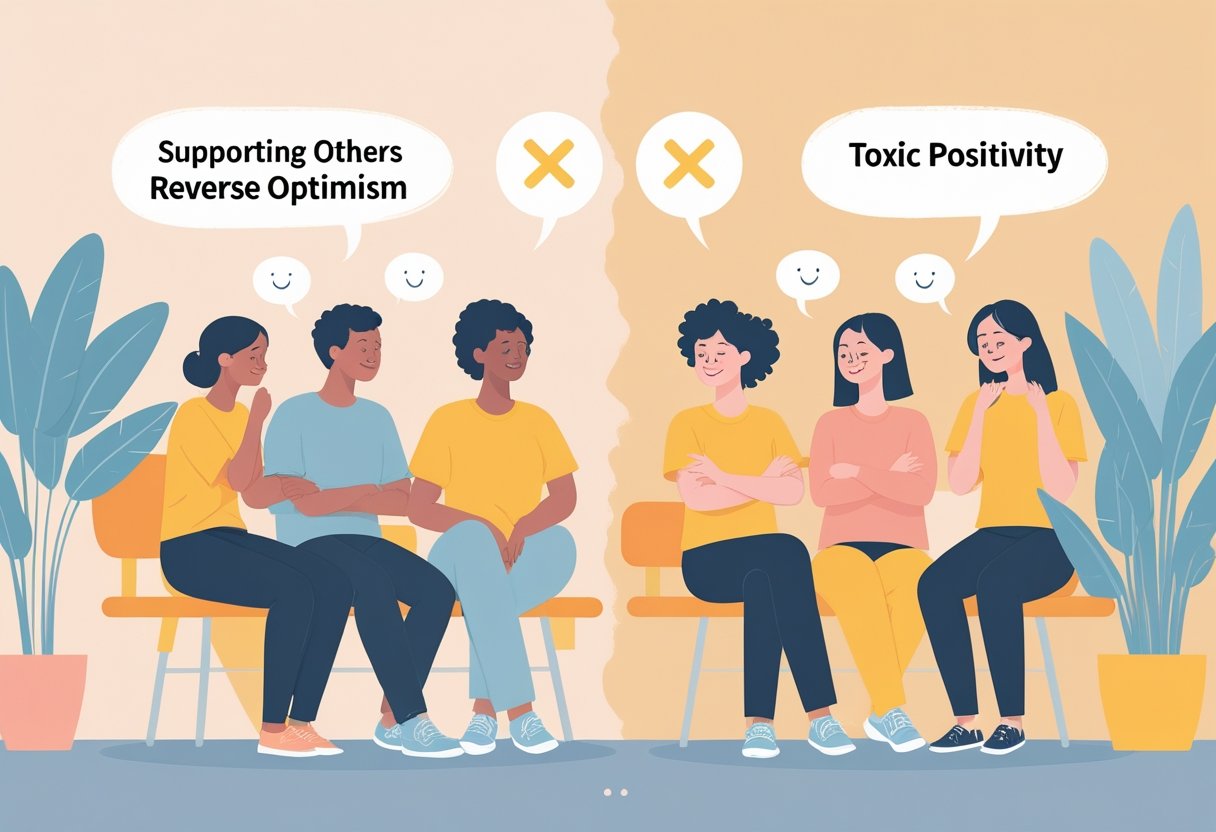
When someone is struggling, you can support them by listening first. Reverse optimism means you allow space for real feelings, without jumping to forced positivity. This helps the other person feel truly heard and respected.
Here are simple ways to show support:
- Listen without rushing to solve the problem.
- Acknowledge their feelings are valid, even if they are negative.
- Resist the urge to say “just be positive” or “look on the bright side.”
- Offer encouragement that fits their current mood or challenge.
Table: Supportive vs. Dismissive Responses
| Supportive | Dismissive |
|---|---|
| “That sounds really hard.” | “It could be worse.” |
| “I’m here for you.” | “Just cheer up.” |
| “It’s okay to be upset.” | “Stay positive.” |
Empathy is key. Use phrases like, “It’s okay to feel this way,” or “I can see why you’d feel like that.” These show understanding and avoid the harm of toxic positivity, which can make others feel ignored or judged. Learn more about the difference between offering real support and toxic positivity.
When you meet others where they are emotionally, you build trust. This makes it safer for them to share openly in the future. Supporting each other in this way helps create honest and strong relationships.
Final Reflections
A healthy mindset isn’t about constant positivity—it’s about learning to hold space for both joy and difficulty without denying either. Reverse Optimism honors the full emotional experience while offering tools to stay grounded, grow through challenges, and appreciate what is. Unlike toxic positivity, which dismisses discomfort, Reverse Optimism helps you move through it with honesty and resilience.
To explore more strategies for cultivating a balanced, emotionally supportive mindset, tune into The Reverse Optimism Pathway podcast. Each episode provides thoughtful guidance and practical tools to help you navigate life with clarity, depth, and true optimism.
Listen to The Reverse Optimism Pathway Podcast
Real growth begins when we stop pretending everything’s fine—and start embracing the full range of what it means to be human.
Reverse Optimism vs Toxic Positivity FAQs
Tragic optimism and toxic positivity are two very different ways of looking at hard times. Understanding the difference helps you face reality while staying hopeful and true to your feelings.
What are the defining characteristics that separate tragic optimism from toxic positivity?
Tragic optimism allows you to see hope and meaning even in pain or loss. It accepts negative emotions as a normal part of life and encourages growth from hardship.
Toxic positivity, on the other hand, pressures you to stay upbeat at all times. It ignores or dismisses your real struggles, which can harm mental health. Learn more about the difference between toxic positivity and healthy optimism.
How can one recognize toxic positivity in the workplace and address it effectively?
You may see toxic positivity at work when leaders tell everyone to “stay positive” even during layoffs or tough projects. This attitude can make people feel their concerns are not being heard.
To address it, try bringing honest conversations into your team. Show empathy for others’ feelings and encourage open sharing, instead of brushing off problems with empty cheer. For more information, visit spotting toxic positivity and fostering a healthy work environment.
Could you provide examples that illustrate the concept of tragic optimism in real-life situations?
Surviving the loss of a loved one and deciding to help others with grief is one example. Someone may lose their job but use the challenge to learn new skills or rethink their goals.
Tragic optimism often shows up when you acknowledge pain, but also choose to find deeper meaning or a new direction in life’s setbacks.
In what ways does tragic optimism offer a more balanced approach to dealing with life’s challenges compared to toxic positivity?
Tragic optimism encourages you to accept sadness, anger, or fear instead of hiding them. You are not forced to act happy all the time.
This honest approach lets you process hard feelings, find support, and learn from your experiences. It helps you cope in a way that feels real and sustainable, instead of pretending problems do not exist.
How does the concept of false positivity relate to toxic positivity, and what distinguishes the two?
False positivity is when someone feels pressured to show happiness even if they are sad or upset. This often means hiding true feelings to meet others’ expectations.
Toxic positivity is a broader idea. It includes false positivity but also pushes others to ignore anything negative. Both can stop you from facing problems and growing, but toxic positivity often affects groups or communities as well.
What practices can individuals adopt to foster tragic optimism rather than falling into the trap of toxic positivity?
Give yourself permission to feel a range of emotions, especially during tough times. Reflect on your experiences and try to find personal meaning, even in pain.
Talk honestly with people you trust. Journaling and therapy can help. Instead of forcing happy thoughts, remind yourself it is okay to struggle and it is possible to find hope, too. To learn more about nurturing hope while staying real, explore ways to foster optimistic thinking without ignoring reality.