
We all carry expectations—about ourselves, others, and the future. While hope and ambition can motivate us, expectations that are too rigid or unrealistic can quietly set us up for emotional distress.
This space between what we envision and what actually happens is known as the Disappointment Gap, and it plays a powerful role in shaping our mental and emotional health. When reality falls short of what we anticipated, it can leave us feeling let down, discouraged, or even defeated.
In this article, we’ll explore how expectations impact our well-being, why the Disappointment Gap matters, and how learning to manage and realign expectations can help create a healthier, more balanced mindset.
Table of Contents
Understanding the Disappointment Gap

When your goals or wishes don’t match up with what really happens, you may feel stress, sadness, or even anger. The disappointment gap can affect your mood, motivation, and even relationships, making it tough to enjoy the present.
Defining Expectations and Reality
Expectations are the beliefs or hopes you have for yourself, others, or the world. These might come from your own values, past experiences, or what you see in the media. For example, you might hope for a new job, a better grade, or support from a friend.
Reality is what actually happens, which often does not match what you expected. When there’s a clear gap between the two, disappointment is a common result. The bigger the difference, the stronger your emotional reaction might be.
This gap can lead to feelings such as frustration, letdown, or confusion. According to psychology experts, a large gap between what you expect and what happens in real life often creates disappointment and can lower your sense of well-being.
Origins of the Disappointment Gap
Expectations can form early in life from family rules, school, and what you pick up from friends. Culture also plays a big part, telling you what “success” or “happiness” should look like.
As you grow, you set new hopes based on past wins and losses. If you have been let down before, you may expect it to happen again, even without good reason. Sometimes, you might set high expectations because you want to be your best or get approval from others.
The disappointment gap often starts when you focus more on what “should be” than what realistically “is.” As described in recent articles, this gap can quietly grow if you don’t notice and address it.
Key Psychological Factors
Several mental habits and feelings shape how you experience the disappointment gap:
- Perfectionism: Wanting everything to be perfect can make you more likely to feel let down.
- Overthinking: Replaying negative outcomes in your mind can deepen disappointment.
- Hope and optimism: Hoping for the best is important, but too much optimism can make reality seem extra disappointing.
- Rumination: Dwelling on mistakes or letdowns can make you feel stuck.
Prolonged disappointment can lead to stress, anxiety, or depression as shown in recent studies. Managing your expectations and understanding your thought patterns can help reduce these negative effects.
The Role of Expectations in Mental Health

Expectations strongly shape how you view yourself, your achievements, and your sense of happiness. They can guide your actions, but when they become unrealistic or unbalanced, they increase stress, negative emotions, and mental health struggles.
How High Expectations Form
High expectations can come from many sources in your life. Family members may set standards for grades, jobs, or behaviors, and you start to accept these as your own. Social media often displays only successes, making you feel like you must keep up. Peer pressure and comparison can push you higher.
Over time, you start to set goals for yourself that may not match your abilities or current life circumstances. When you believe you should always be perfect or always succeed, these expectations become difficult to maintain. This gap between what you expect and what actually happens increases your risk of disappointment, frustration, and low self-esteem. In some cases, this pressure can even lead to burnout or sadness, especially if you feel you are letting yourself or others down. You can learn more about how this expectation gap creates disappointment and burnout.
Cognitive Distortions and Mindsets
How you think about your abilities and the future can be shaped by what psychology calls “cognitive distortions.” These are patterns of thinking that make you see things as worse or more extreme than they really are.
Some common cognitive distortions include:
- All-or-nothing thinking: You see things as good or bad, with no in-between.
- Catastrophizing: You expect the worst possible outcome.
- Overgeneralization: You believe a single negative event means everything will go wrong.
If you often use these thinking patterns, your expectations may become unrealistic or negative. This can make you anxious about the future or feel hopeless about setbacks. Changing these thought patterns is a central part of treating many mental health problems, because flexible thinking helps you set healthier goals and handle disappointments better. You can read more about this in the role of expectations in mental disorders and their treatment.
Societal and Cultural Influences
The community and culture you grow up in play a big role in shaping your expectations. School and work may set strict standards for what success looks like. Media often displays idealized lives that are hard to reach, making you feel behind or unworthy.
Cultural beliefs about what you “should” achieve—such as getting a high-paying job, reaching a certain body type, or always being happy—put extra pressure on you. These norms can lead to stress and self-doubt if your life turns out differently than you planned.
Being aware of how these outside messages affect your goals and self-esteem can help you avoid setting standards that are impossible to meet. Managing your expectations and balancing them with self-compassion is an important step for your mental well-being. For more about the link between expectations and self-sabotage, it’s helpful to explore further.
Emotional Impact of Unmet Expectations

Unmet expectations can shape your emotions and mental health in powerful ways. When you expect something and it doesn’t happen, you might feel sad, anxious, or even start to doubt yourself.
Feelings of Failure and Shame
You may notice that disappointment often brings feelings of failure. When your plans or hopes do not work out, you might start to believe you are not good enough. These feelings are common and can be intense.
Shame can develop when you judge your own mistakes too harshly. This emotion makes you want to hide your struggles from others. Over time, this can cause you to withdraw or become less willing to try new things.
It is important to remember that many people feel this way after facing setbacks. Misplaced self-blame makes the situation worse and holds you back from seeing the real reasons why things did not go as planned. Disappointment is a normal response to unmet expectations.
Anxiety and Depression Links
Unmet expectations can also lead to anxiety and depression. You might worry about losing control, not being able to cope, or failing again in the future. These fears can make it hard to relax and enjoy the present.
Persistent disappointment may make you feel hopeless about your goals and your future. You might also notice other symptoms like low energy, sadness, or trouble sleeping. Sometimes, the gap between what you wanted and what really happened can help trigger or worsen mental health struggles like anxiety or depression.
To handle these feelings, you can try breaking bigger expectations into smaller steps. You might also find it helpful to focus on self-care habits, like taking walks, talking to someone you trust, or practicing simple breathing exercises.
Cycles of Self-Criticism
When things do not turn out as you expected, you may start to criticize yourself. This can become a cycle where you set high expectations, feel disappointed when they are not met, and then blame yourself for the outcome.
Self-criticism can make you believe you are the problem, even when that’s not true. This thinking pattern may lead to more disappointment and can be hard to break. You may also start avoiding new challenges because you fear more failure.
To stop this cycle, try to notice your self-talk and replace harsh thoughts with kinder ones. Recognizing that setbacks are part of life, not a sign of weakness, can help you move forward with more confidence. When you practice self-compassion, you give yourself a better chance to learn and grow instead of staying stuck in the cycle of self-criticism and disappointment.
Patterns of Self-Sabotage

Many people unknowingly act in ways that block their own progress. Two common habits—putting things off and speaking harshly to yourself—can make it much harder to reach your goals and feel good about yourself.
Avoidance and Procrastination
Avoidance often feels like a quick way to escape discomfort, but it only makes stress and worry grow. For example, you might avoid starting a difficult project or put off an important task until the last minute. This can lead to missed deadlines or poor performance.
Procrastination is often linked to fear—such as fear of failure or judgment. When you leave things undone, anxiety and guilt can build up. People sometimes use distractions like social media, games, or chores that seem important but are not urgent. This delay might feel helpful in the moment, but it tends to increase pressure in the long run.
If you notice yourself falling into these habits, it can help to break big tasks into smaller steps and set clear, short-term goals. Celebrating small successes also encourages you to keep going. For more details about these behavior patterns, visit this overview on self-sabotaging behavior.
Negative Self-Talk
Negative self-talk means speaking to yourself in ways that are harsh or critical. Examples include thoughts like “I always mess up,” or “I’m not good enough.” Over time, this pattern chips away at your confidence and motivation.
You might notice that negative self-talk becomes stronger during stressful times or after facing disappointment. It can make even simple tasks feel overwhelming. This kind of thinking can also keep you stuck in a cycle of self-doubt and hesitation.
To address this, try catching yourself when you have a negative thought. Challenge it by asking if it’s really true or if you’re being too hard on yourself. Practicing kinder, more encouraging messages can help you feel more hopeful and capable. Learn more about the impact of these patterns on your well-being at this Psychology Today article on self-sabotage.
Breaking the Cycle of Disappointment
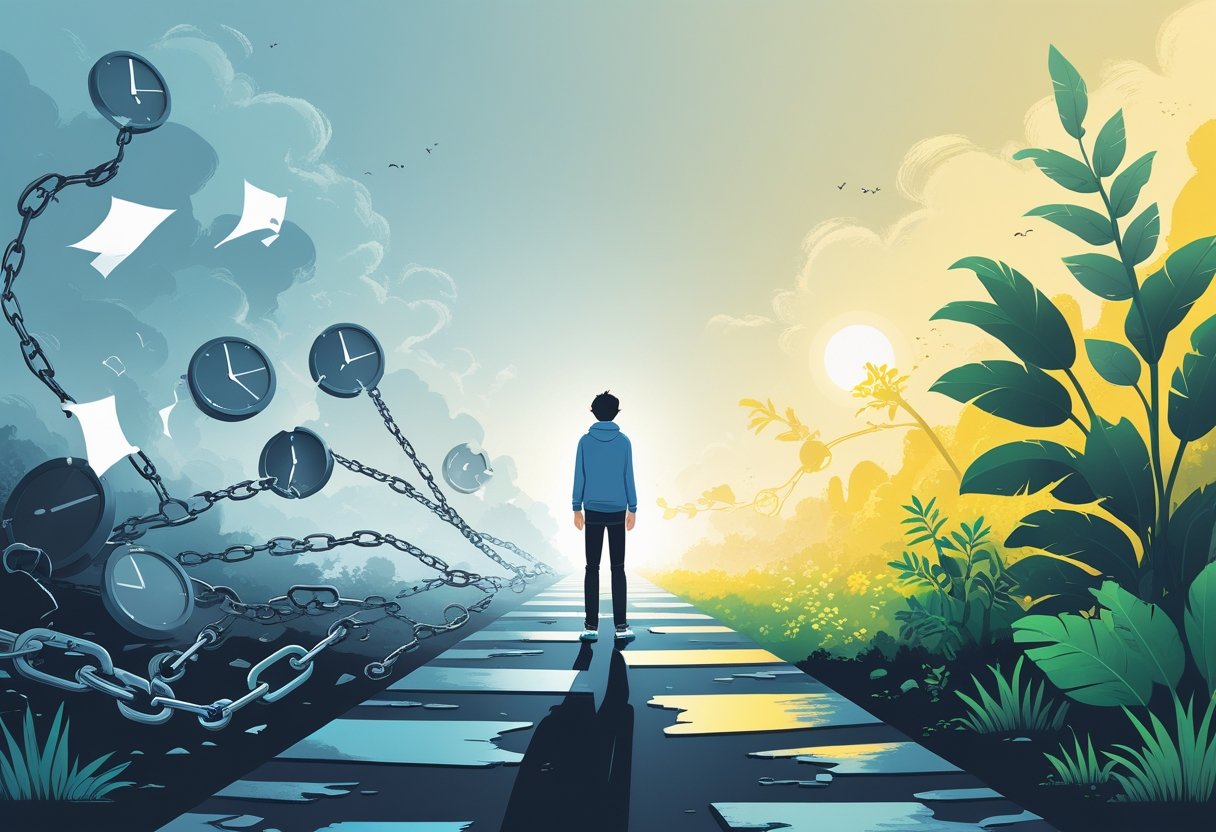
Changing the way you handle expectations can make a big difference in your mental health. Learning new ways to think and react helps you avoid the trap of constant letdowns and negative feelings.
Developing Realistic Expectations
Setting your sights too high can set you up for frustration. When you assume things will always go perfectly, even small setbacks can feel huge. Try to see situations as they really are, not just as you wish them to be.
Write down your main goals and check if they are possible, not just ideal. Talk with someone you trust to double-check if what you expect lines up with reality. Practicing “Reverse Optimism,” where you prepare for a range of outcomes rather than always assuming the best, can help lower the chances of being let down.
Notice when you feel disappointed and ask yourself if your expectations were reasonable. Adjust them if you need to. This process is ongoing, and that’s okay. You gain self-respect when you match your hopes to what is actually possible.
Cultivating Flexibility and Resilience
Life will not always go as planned. If you react by shutting down, hope fades and stress builds. Flexibility helps you adjust to surprises and setbacks without getting stuck in the cycle of disappointment.
Focus on your ability to bounce back instead of letting disappointment control your mood. Take slow, steady steps to change your habits. For example, use a simple table to list what is in your control and what is not.
| In My Control | Out of My Control |
|---|---|
| My effort | Other people’s choices |
| My attitude | The weather |
Build resilience by accepting that mistakes and setbacks are normal. Each challenge can teach you something new about yourself. By staying open and willing to adjust your plans, you grow stronger after each letdown.
You can learn more about this process by exploring the cycle of expectations and disappointment and ways to break free from it in resources like Breaking the Cycle of Self-Disappointment.
Practical Strategies for Nurturing Mental Health

Taking care of your mental health means using everyday techniques that actually work. You can build new habits and reach out when you need help to make disappointment feel less overwhelming.
Mindfulness and Self-Compassion
Practicing mindfulness helps you notice your feelings and thoughts as they come without judging yourself. When you pay attention to the present moment, you can see patterns that lead to disappointment and interrupt them before they grow. Try simple mindfulness exercises like deep breathing, body scans, or guided meditations.
Self-compassion means being gentle with yourself, especially during setbacks. Instead of criticizing yourself for mistakes, talk to yourself the way you would talk to a friend. For example, if you don’t reach a goal, remind yourself that everyone struggles sometimes. This approach has been shown to reduce stress and improve resilience. The Washington Post explains that recognizing negative habits is the first step toward change.
Practical ways to start:
- Notice your self-talk and replace harsh thoughts with kind ones.
- Write down three things you did well today, no matter how small.
- Spend a few minutes each day in a quiet space, focusing on your breath.
Seeking Support and Therapy
Support from others makes a big difference when dealing with high expectations or disappointment. Talking to friends, family, or joining a group can help you feel understood and less alone. People often underestimate how comforting it is to have someone listen.
Therapy gives you space to explore your feelings, set healthy boundaries, and learn new coping skills. Therapists can help you spot patterns, manage stress, and plan for the future. Even a few sessions can help if you’re feeling stuck, lost, or overwhelmed.
You can also use online forums or local support groups to share experiences and get advice. Studies and mental health resources recommend reaching out as a way of taking charge of your emotional health. For more guidance on nurturing your mental health during uncertainty, you can look for community groups or professional services in your area.
Long-Term Growth Beyond Expectations

Letting go of unrealistic expectations can support your mental health. You give yourself space to accept both good and difficult moments without feeling like you have failed.
Practicing self-compassion rather than harsh self-judgment helps you manage setbacks with more patience and understanding. This can reduce burnout, as the constant pressure to meet high standards wears down your motivation and happiness. Research shows that building this mindset makes you more resilient over time.
Try these steps to move beyond unhealthy expectations:
- Set realistic goals that you can control
- Notice your inner critic and challenge negative self-talk
- Celebrate small wins, not just big achievements
- Practice gratitude for what you already have
- Seek support when you need it
As you shift from strict expectations to flexible goals, you may begin to notice less disappointment. This process can relieve stress and protect against anxiety and depression, especially if you avoid getting stuck in rumination or overthinking—common issues when disappointment lingers (see At the Crossroads of Disappointment).
A simple table can highlight the changes:
| Expectation-Driven Thinking | Growth-Oriented Mindset |
|---|---|
| I must not fail | Mistakes are a chance to learn |
| I need to be perfect | Progress matters more than perfection |
| Others must agree with me | I can respect different views |
You can make steady progress by choosing a kinder, more flexible approach. With time, you may find yourself feeling more fulfilled and less burdened by disappointment.
Encouraging Healthy Relationships With Goals

Building a healthy relationship with your goals means understanding what is realistic and what works best for you. Unrealistic expectations can make you feel frustrated, anxious, or disappointed when things don’t go as planned. Over time, this can lower your confidence and even hurt your relationships with others.
Here are some ways to keep your goals helpful and positive:
- Set clear, specific goals: Instead of saying “I want to be better,” try “I want to study an hour each evening.”
- Break down large goals: Smaller steps can feel less overwhelming and show progress.
- Celebrate small successes: Taking time to notice what you’ve done right builds motivation.
It’s also important to accept that setbacks happen. Mistakes and changes are a normal part of reaching goals. Try not to use one hard day as a reason to give up. Being flexible with your plans can help you avoid self-blame or harsh self-talk.
Sometimes, your goals may need to change. It’s okay to adjust your expectations if things in your life shift. This helps you avoid the trap of unrealistic expectations, which can lead to disappointment and anxiety.
A helpful way to check your goals is to ask yourself:
| Question | Why it Matters |
|---|---|
| Is this goal clear and realistic for my life now? | Keeps you grounded |
| Can I break it into smaller tasks? | Makes it feel manageable |
| How will I react if things change? | Prepares you for adjustments |
Redefining Success and Personal Fulfillment

Success often means different things to different people. You might feel pressure to meet specific goals, grades, or income levels. These outside standards can make it hard to feel good about your own progress.
When you only measure success by what you achieve, you might ignore your feelings, health, and needs. This narrow view can lead to frustration, disappointment, and hurt your mental health.
Try asking yourself these questions:
- What truly matters to me?
- How do I want to feel at the end of the day?
- Am I following my own values, or someone else’s?
Shifting your focus from doing to being can make a big difference. You might base success on growth, self-acceptance, or happiness instead of only achievements. This perspective helps you find meaning and satisfaction right where you are.
| Achievement-Based Success | Fulfillment-Based Success |
|---|---|
| Focuses on results | Focuses on experiences |
| Outcome matters most | Process brings joy |
| Outside approval needed | Self-approval matters more |
It’s normal to worry about falling behind or missing out. But when you let go of outside expectations, you give yourself room to breathe and grow. Finding your own definition of success encourages a healthier, more balanced mindset.
If you’re struggling with perfectionism or fear about letting go of old ideas, remember that redefining success can support your mental health in the long run. Read more about how redefining success can reignite mental health.
Final Reflections
Expectations are a natural part of how we make sense of the world—but when they go unchecked, they can quietly undermine our emotional resilience. Learning to recognize and close the Disappointment Gap is not about giving up on goals or lowering standards; it’s about aligning your hopes with reality in a way that supports, rather than sabotages, your well-being. With greater awareness and a more flexible mindset, you can protect your mental health and foster deeper contentment, even when life doesn’t go exactly as planned.
To explore more tools for navigating expectations and building emotional balance, tune into The Reverse Optimism podcast. Each episode offers thoughtful guidance for living with more clarity, resilience, and peace.
Listen to The Reverse Optimism Podcast
By learning to manage expectations with care, you can shrink the Disappointment Gap—and open space for a healthier, more fulfilling life.