
It may sound counterintuitive, but sometimes the most empowering step we can take is to accept the very outcome we fear.
Whether it’s a missed opportunity, a failed attempt, or an unexpected setback, acknowledging the possibility of the worst-case scenario can actually ease anxiety and open the door to greater peace of mind. Rather than giving in to defeat, this practice helps us release the exhausting need for control and prepares us to respond with clarity and strength.
In this article, we’ll explore why accepting the worst isn’t about giving up—it’s about letting go, gaining perspective, and building a deeper sense of resilience and emotional freedom.
Table of Contents
Understanding Acceptance In Challenging Situations
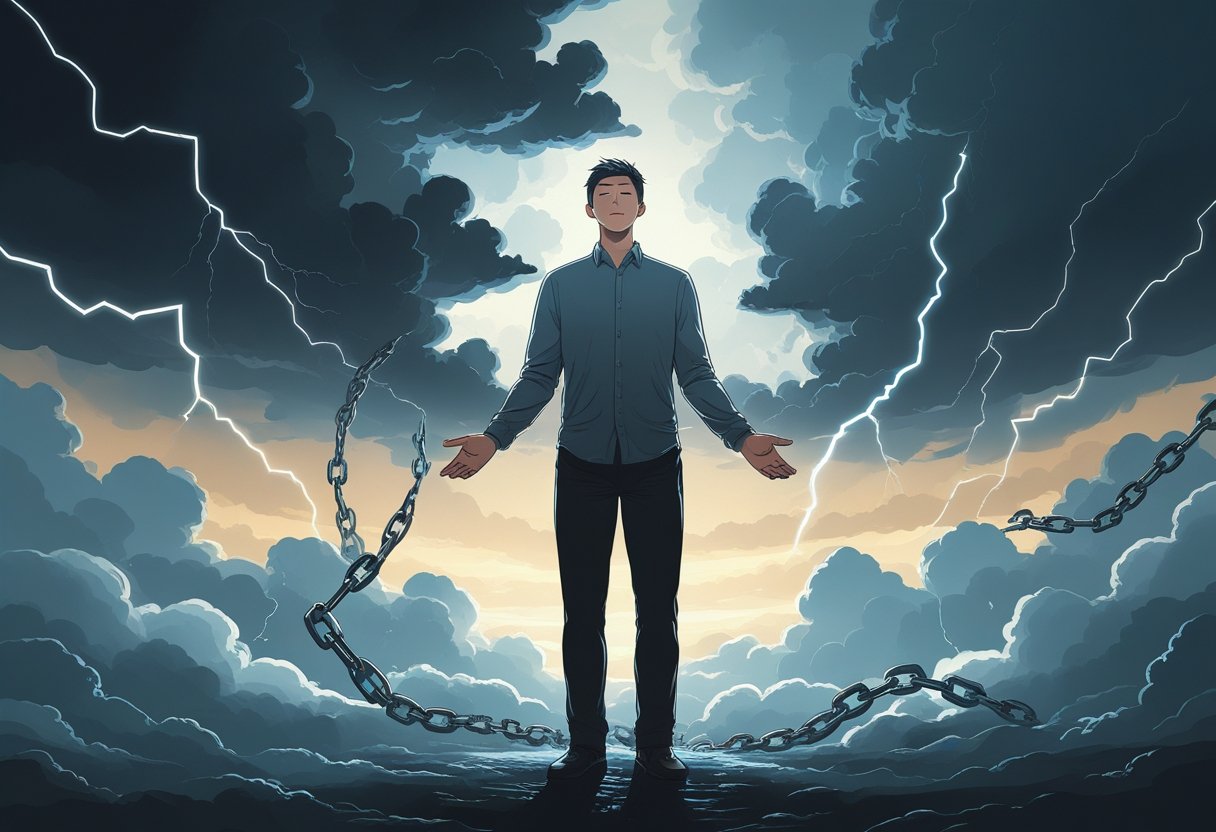
Accepting difficult truths isn’t always easy, but it can give you space to focus on what you can change instead of feeling stuck. By learning what acceptance really means and how it works in your mind, you can better deal with tough situations.
Defining Acceptance Versus Resignation
Acceptance means seeing a situation honestly, even if it’s painful. You acknowledge what happened or what is happening without pretending it isn’t true. This is different from resignation.
When you resign, you give up hope or stop trying to make things better. Acceptance lets you notice facts while still making healthy choices. You may not agree with what happened, but you look for ways to move forward anyway.
Acceptance helps you cope. Resignation leaves you feeling helpless.
Understanding the difference helps you respond to problems and not just react to them. You find choices you hadn’t noticed before without simply letting life sweep you away.
The Psychology Behind Facing the Worst
Your mind often imagines the worst-case scenarios, especially when afraid or uncertain. This is a survival instinct, but it can make things feel even harder. Learning how to accept your situation reduces stress and gives you back some control.
When you practice acceptance, you face thoughts and feelings rather than run from them. This can help calm your brain and body. Accepting the worst doesn’t mean you like it; it means you stop fighting with reality.
This process is sometimes called radical acceptance, and it’s used in therapies like DBT to help people handle painful feelings. It allows you to move through hard times without being overwhelmed.
Common Misconceptions About Acceptance
Many people think that acceptance means agreeing with or approving of a bad situation. That’s not true. You can accept that something happened even if you wish it didn’t.
Others might think acceptance is the same as giving up. In reality, it’s a step toward problem-solving and making smart changes. You’re not saying you want things to stay the same.
Learning to accept tough realities is not about being passive. It’s about understanding that you can’t control everything, but you can always choose how you respond. For more on this, see the idea that acceptance doesn’t mean agreement in real-life situations.
The Benefits Of Accepting The Worst

When you allow yourself to consider the worst-case scenario, you often feel more in control and prepared. This mindset can take away the power fear has over you and help you respond rather than react.
Reducing Anxiety And Fear
Worry and anxiety often come from not knowing what will happen. When you let yourself imagine and accept the possible worst outcome, you stop running from it. This can make the future feel less scary and more manageable.
If you plan for problems, you may notice your stress goes down. Many people who practice “worst-case scenario” thinking say they feel calmer once they see they could handle even the toughest outcome. For more, check out how accepting negative possibilities can actually help at Signal v. Noise.
Fast facts on anxiety and acceptance:
| Expecting the Worst | Impact |
|---|---|
| Run from the unknown | Often feel anxious |
| Accept possibility | Begin to feel calmer |
Building Emotional Resilience
Facing hard truths does not mean you have to like them. It means you choose not to hide from possible pain or failure. When you do this over time, you build up your emotional strength.
Each time you prepare for a difficult outcome, you practice handling discomfort. You learn new coping skills and realize you can bounce back from setbacks. This helps you stay steady even when things don’t go your way. Embracing the possibility of tough times makes you more capable of staying positive later.
Emotional resilience is like any muscle—the more you use it, the stronger it gets.
Enabling Clearer Decision Making
When you are afraid of bad outcomes, you might ignore risks or delay making choices. Accepting the worst can lead to clearer thinking because you are not hiding from what could go wrong.
This clear view lets you make smarter, more thoughtful decisions. You weigh the real risks and rewards, instead of just hoping for the best or fearing the unknown. By facing the facts, you choose what is truly best for you, not just what feels comfortable in the moment.
Making decisions with an open mind—one that includes every possible outcome—helps you avoid regret and makes your actions more confident.
Improving Mental Health Outcomes
Denial can keep stress high and mood low. Accepting bad outcomes can sometimes help your mental health overall. You may notice that you worry less and feel more at peace with challenges after taking this step.
Studies and expert advice show that planning for a hard time, rather than only bracing for disappointment, can actually improve how you cope day to day. By looking at challenges honestly, you use your energy to adapt and take healthy actions, instead of feeling stuck. This shift can improve your mood and help you respond with kindness to yourself.
You can learn more about this topic and how expectations affect how you feel at Further.net.
How Accepting The Worst Leads To Better Decisions

Accepting the worst possible outcome can help lower stress and make it easier to think clearly. When you acknowledge what could go wrong, you become more prepared and confident in your choices.
Shifting From Reaction To Response
When a problem hits, it’s easy to panic and act on impulse. By accepting the worst, you push yourself to pause and consider what’s actually possible. This pause is powerful—it moves you away from knee-jerk reactions, which often add more problems, and guides you toward smart, thoughtful responses.
You become less driven by fear and more able to focus on facts. Finding acceptance doesn’t mean stopping action. It allows you to plan with a clear mind and take steps based on reason, not just emotion. Many business leaders point out that recognizing tough possibilities often leads to creative solutions and better decision-making under stress.
By making this mental shift, you give yourself time to look at all your options. You can compare the risks and benefits, then choose what works best.
Gaining Perspective And Control
Imagining the worst outcome helps you see the bigger picture. It shrinks fears that might otherwise seem overwhelming. Writing down or naming your worst-case scenario can help break it into smaller, manageable parts.
When you accept these possibilities, you stop feeling helpless. Instead, you’re able to take control of what you can change. This feeling of control is important because it motivates you to act, rather than freeze up or avoid making decisions.
You also learn to spot what truly matters and let go of less important worries. By practicing acceptance, you gain confidence and build a habit of staying calm—even in high-pressure situations. This makes it easier to plan your next moves thoughtfully and stay on course, no matter what happens.
Recognizing When To Practice Acceptance

Sometimes, life feels overwhelming because you want to solve every problem or control what happens. Learning when to accept things instead of fighting them can help you feel less stressed and more at peace.
Identifying Uncontrollable Situations
Start by noticing situations where your actions can’t change the outcome. These might include things like other people’s choices, natural disasters, or the past. If you try to control these moments, you can waste energy and feel even more frustrated.
You can make a list of what’s in your control and what isn’t. For example:
| Controllable | Uncontrollable |
|---|---|
| Your actions | Other people’s feelings |
| Your decisions | Weather |
| Your responses | The past |
By focusing on what you can control and practicing radical acceptance for the rest, you let go of useless struggle. This strategy is used in therapy and self-help for a reason—it eases anxiety and helps you adjust to reality. Practicing acceptance does not mean giving up; it means understanding your limits and making better choices based on the facts. You can read more about this from mental health professionals in articles about embracing experiences fully.
Distinguishing Productive From Unproductive Worry
Worrying can sometimes help you plan or motivate you to act, but often it turns into a habit that causes stress without results. Productive worry leads to actions, like studying for a test or making a backup plan. Unproductive worry usually sounds like endless “what ifs” about things you can’t change.
Ask yourself: Is this worry helping me prepare, or is it making things feel worse? If you notice your mind going in circles about things outside your control, it may be time to practice acceptance instead. You can write down your worries and label them as either “changeable” or “unchangeable.” If they are unchangeable, using tools like mindfulness or coping statements can help you focus on the present instead of getting stuck in fear. Practicing acceptance in these moments has been shown to reduce anxiety, as discussed in guides on embracing life’s challenges.
Strategies For Embracing The Worst Case Scenario

When you face tough situations, practical tools can help you accept what you cannot control. Using the right strategies builds strength and makes hard times more manageable.
Cognitive Reframing Techniques
Cognitive reframing is when you challenge negative thoughts and replace them with more balanced ones. This technique helps you look at problems from new angles. For example, if you imagine losing your job, you might also ask yourself what new opportunities could come from that experience.
Make a list of your fears about the worst-case scenario. Next to each fear, write realistic outcomes and two potential positive actions you could take. This process helps to separate facts from fears, making tough problems seem less overwhelming.
You might also try actively imagining the worst-case scenario. For some people, picturing the worst possible outcome shows that it isn’t as scary or impossible as it seemed. Accepting what could go wrong can sometimes be a relief, helping you prepare a plan instead of feeling stuck.
Mindfulness And Present Moment Awareness
Mindfulness means focusing your attention on the present moment instead of worrying about the future. This skill can reduce anxiety when you’re facing stressful possibilities.
Simple practices include mindful breathing or paying attention to what you see, hear, and feel right now. Doing this each day helps you get better at noticing when your mind drifts to negative “what if” thoughts.
You could also set aside a few minutes to scan your body for tension or discomfort. Label the sensations without trying to fix them. This teaches you to accept discomfort without letting it control your actions. The more you practice, the more confident you will feel when facing stressful situations.
Seeking Support And Guidance
Getting support from others can make it easier to handle difficult scenarios. Talking things over with a trusted friend or family member often brings fresh ideas and comfort. They might help you see options you hadn’t noticed before.
Reaching out to a counselor, therapist, or support group is another way to build resilience. These experts can guide you through steps such as accepting the worst-case scenario without feeling defeated. They may recommend exercises or books that match your needs.
Finally, consider writing out your fears and sharing them with someone safe. Sometimes, simply saying things out loud can help you see problems in a new light and stop them from growing bigger in your mind.
Real-World Examples Of Transformative Acceptance

Accepting difficult situations can lead to real change. When you face what you fear and accept what you cannot control, it becomes possible to move past pain and make progress.
Stories Of Personal Growth After Setbacks
Many people have found their greatest growth after facing hard realities. Imagine losing a job you loved. Instead of ignoring the loss, you accept your feelings. You feel sadness, anger, and worry about the future. This is the first step before you can make a plan.
Some talk about their experiences with illness or disappointment. By choosing acceptance, they let go of what cannot be changed. This makes space for new goals. For example, in radical acceptance practices, people accept pain as a fact of life, but do not let it define them. This allows healing and helps them refocus their energy on growth.
Common results from personal acceptance:
- Feeling less stuck in negative emotions
- More motivation to solve problems
- Greater self-compassion
How Leaders Thrive By Accepting The Worst
Leaders often face uncertainty and tough choices. Accepting the worst-case scenario can help you see your options more clearly. For example, when a company faces a major crisis, good leaders admit the scope of the problem. This direct approach may seem risky, but it frees them to look for real solutions rather than deny what’s wrong.
Some leaders share their stories about admitting defeat or failure and how that honesty led to stronger teams. Acceptance is not the same as giving up. Instead, it is about facing facts head-on. This helps you gain respect from others, as people trust leaders who do not hide the truth.
In workplaces, this type of acceptance builds trust and allows creative problem solving. When you stop holding onto “what should have been,” you can focus on “what’s next.” The paradox of transformation is that true change begins when you stop fighting reality and work within it.
Common Pitfalls And How To Avoid Them

Accepting the worst can protect your peace of mind, but there are mistakes you might make along the way. It’s important to be careful, so you get the benefits without losing your motivation or hope.
Mistaking Acceptance For Giving Up
When you accept a difficult outcome, you might feel like you are quitting or not trying hard enough. This is a common misunderstanding.
Acceptance does not mean you stop working toward improvement. It just means you are prepared for every possible result, even the negative ones. This mindset lets you plan without panic and make clearer decisions.
Key ways to avoid this pitfall:
- Set new, realistic goals after you accept the situation.
- Keep taking small steps toward positive change.
- Remind yourself that accepting does not mean agreeing to failure.
- Talk to someone you trust when you feel discouraged.
Practicing acceptance should create a sense of control—not helplessness.
Overlooking Positive Possibilities
Focusing only on what could go wrong can make you ignore good opportunities. Fixating on negative outcomes sometimes blocks you from seeing better options or solutions.
To avoid this problem:
- Use a pros and cons list when thinking about your choices.
- Challenge negative assumptions by asking, “What else might happen?”
- Write down possible good outcomes along with the bad.
- Try to find one positive possibility in every situation.
You don’t have to expect the worst every time. By staying open to positive changes, you keep hope alive while still being practical. This balanced outlook helps you make choices that are wiser and less stressful.
Final Reflections
Accepting the worst doesn’t mean expecting failure—it means loosening fear’s grip and allowing space for perspective, preparation, and peace. When we face our fears directly, we often find they’re more manageable than we imagined, and in doing so, we reclaim our energy and focus. This mindset shift builds emotional resilience and empowers us to move forward with greater confidence, regardless of the outcome.
If you’re ready to explore more ways to reframe your thinking, reduce stress, and approach life with a grounded, optimistic mindset, The Reverse Optimism podcast is here to support you. Each episode offers thoughtful, practical tools to help you thrive through life’s uncertainties.
Listen to The Reverse Optimism Podcast
Sometimes, accepting the worst is exactly what allows the best in us to rise.